Diesel Drivers Face 18p Per Mile Charges While EVs Charged 3p Rate
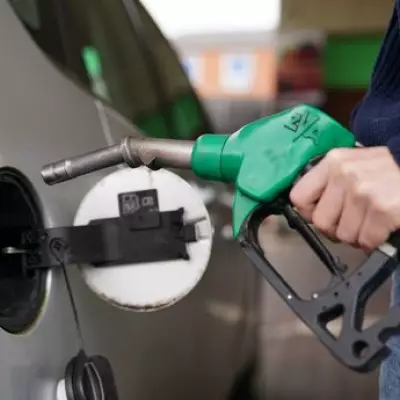
Diesel drivers are currently paying an average of 18.7p per mile for fuel consumption, according to recent data analysis by NimbleFins. In contrast, electric vehicle (EV) drivers may soon encounter a new 3p per mile charge under a proposed pay-per-mile car tax scheme from the Labour Party government. This stark difference underscores the ongoing financial burden on traditional fuel users compared to the emerging costs for eco-friendly alternatives.
Fuel Cost Breakdown for Petrol and Diesel Cars
On a per-mile basis, fuel costs range from 15p to 20p for petrol cars and 16p to 20p for diesel cars. This translates to roughly 50% to 90% more expensive than the cost to run an electric car per mile, even when using a regular tariff. The variation in these costs is heavily influenced by engine size, with larger engines (higher CCs and horsepower) burning more fuel and achieving worse fuel economy or lower MPG, thereby increasing the per-mile expense.
Rising Fuel Prices and Market Uncertainty
RAC head of policy Simon Williams highlighted the current fuel price trends, noting that unleaded petrol averages 157.71p per litre—up 25p (19%) since the conflict began—while diesel has surpassed 190p per litre (190.62p), marking a 48p (34%) increase since late February. Both fuels are now at their most expensive levels since late 2022, driven by global oil market volatility.

Although a conditional ceasefire announcement has temporarily eased global oil prices, the outlook for UK drivers remains highly uncertain. Williams emphasized that sustained lower oil prices over several weeks, not just a few days, are necessary to meaningfully reduce wholesale fuel costs. In the short term, drivers should not expect significantly cheaper fuel, though some smaller independent forecourts purchasing on a 'spot' basis might pass on reductions more quickly.
Impact of Engine Size on Fuel Economy
The analysis further explains that cars with larger engines consume more fuel and have poorer fuel economy, leading to higher per-mile costs. This factor is crucial for drivers considering vehicle purchases or evaluating ongoing expenses, as it directly affects their monthly budgets and overall transportation costs.
Broader Implications for Drivers and Policy
The proposed 3p per mile charge for EVs under Labour's tax scheme represents a shift towards pay-per-mile taxation, potentially altering the cost-benefit analysis for electric vehicle adoption. Meanwhile, diesel and petrol drivers continue to grapple with escalating fuel prices, exacerbated by geopolitical tensions and market fluctuations. This situation highlights the need for drivers to stay informed about fuel trends and policy changes to manage their transportation expenses effectively.