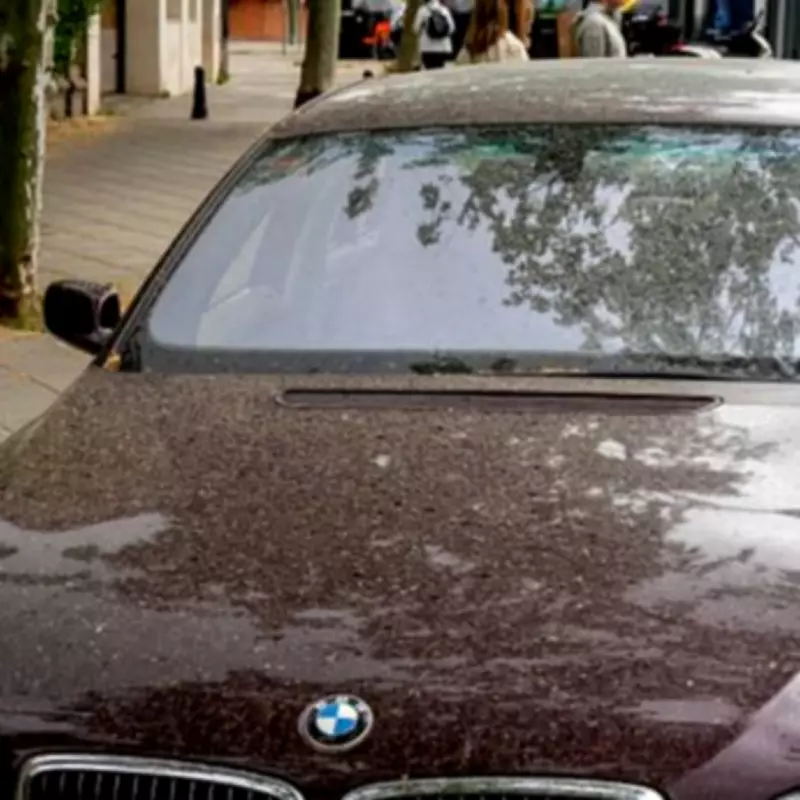
Drivers have been warned they could face fines of up to £1,000 for having dirty cars, under a little-known rule that requires registration plates to be clearly legible. The penalty applies when a number plate is obscured by mud, grime, or snow, making it difficult to read from a distance of 20 metres.
Expert Warning on Dirty Vehicles
Simon England, founder of GAP insurance provider ALA Insurance, stressed that motorists risk a “heavy” penalty for leaving mud and grime on their vehicles. He explained that many drivers view topping up screenwash as optional, but from a legal and insurance perspective, it is a matter of roadworthiness.
“If you are involved in an incident and your visibility was compromised by a dirty windscreen, or you lacked the means to clear it, you are not only risking a heavy fine but potentially complicating any subsequent insurance claim,” England said.

Careless Driving Charges Possible
Select Car Leasing added that if a windscreen is not clear and a driver is involved in an accident, they can be charged with careless driving, even if the accident was not their fault. The company emphasised the importance of checking that all lights are clear of grime, the number plate is legible, and screenwash is topped up.
While it is not an offence to have a dirty vehicle, it is an offence to have an obscured registration plate or one that is not easily distinguishable. The maximum penalty is £1,000.
Why Number Plates Must Be Legible
There are several reasons for this requirement. If a vehicle is stolen, a clean and legible plate makes it easier for police to identify and recover it. Additionally, if a vehicle is involved in a crime—such as a hit-and-run or leaving a petrol station without paying—a readable plate aids in tracing the offender.
In North Yorkshire, police have stopped numerous vehicles with registration plates so dirty they were either difficult to read or completely illegible. These stops are conducted alongside regular patrol duties.