Edinburgh Drivers Face £800 Annual Congestion Charge Under New Proposals
Drivers in Edinburgh could be hit with an annual cost of approximately £800 under new proposals to introduce a congestion charge in the city. Edinburgh City Council is currently exploring the implementation of this scheme, which has sparked significant controversy among motorists and local politicians.
Details of the Proposed Congestion Charge
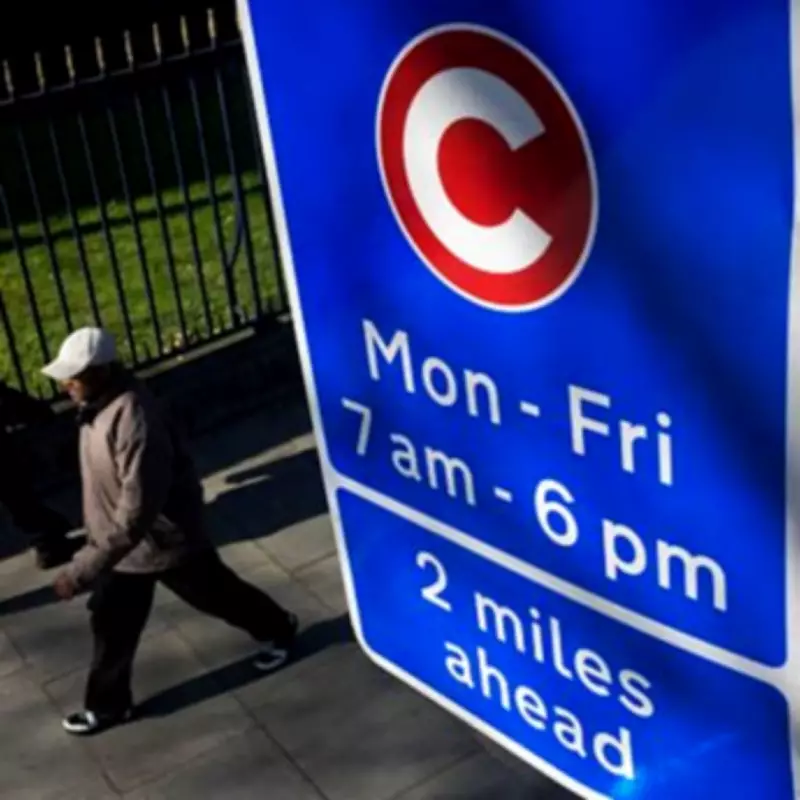
The proposed scheme would require drivers to pay around £3.50 per day to enter Edinburgh city centre. For a typical commuter traveling five days a week over roughly 250 working days per year, this daily fee would accumulate to more than £800 annually. This substantial financial burden comes at a time when many residents are already grappling with rising living costs and economic pressures.
Political Opposition and Criticism
MSP Miles Briggs has been a vocal critic of the proposal, labeling it as "a lazy cash grab" with no concrete evidence that it would effectively reduce congestion in the city. He has launched a campaign to halt the initiative, arguing that it unfairly penalizes drivers without addressing underlying infrastructure issues.

Briggs expressed concerns about the council's approach, stating: "They are going to try to do it completely differently from last time - instead of a referendum, they are doing it by stealth, without any need for the public to have their say. They think they can do it by the back door." He emphasized that similar efforts were defeated in 2005 and warned against repeating past mistakes.
Broader Implications for the City
The proposed congestion charge is part of a series of measures that could impact Edinburgh's economy and residents. Briggs highlighted that this charge, combined with existing costs such as high parking fees, low emission zone charges, and the tourist tax, could place additional strain on small businesses and visitors. He argued that at a time of soaring bills and declining public transport standards, imposing another tax on commuters is ill-advised.
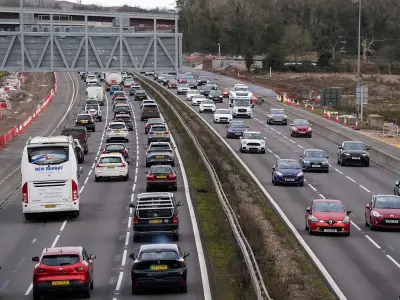
Furthermore, Briggs pointed to traffic data from Inrix, a leading traffic analytics provider, which shows that congestion remains a significant issue in major cities. For example, London commuters spent an average of 91 hours in traffic in 2025, following a record of 101 hours in 2024, making it one of the most congested cities in Europe. This raises questions about the effectiveness of congestion charges in genuinely alleviating traffic problems.
Looking Ahead
As Edinburgh City Council moves forward with its plans, the debate over the congestion charge is expected to intensify. Proponents may argue that it could reduce traffic and improve air quality, while opponents like Briggs contend that it is merely a revenue-generating measure that fails to tackle core infrastructure challenges. The outcome will likely depend on public opinion and political negotiations in the coming months.