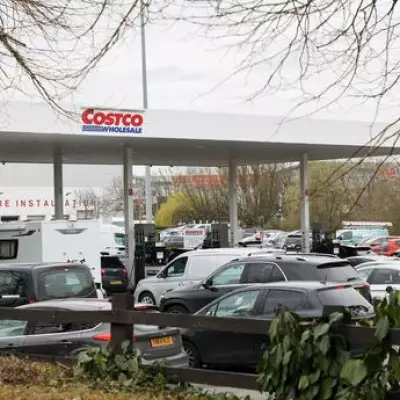
Family Car Drivers Stung by £27 Fuel Price Surge
The RAC has issued a stark warning to UK motorists, revealing that drivers have been hit with an average extra charge of £27 at the pump during March and early April. This significant increase comes as petrol prices continue to climb amid ongoing geopolitical tensions in the Middle East.
Record-Breaking Price Rises for Diesel and Petrol
According to RAC head of policy Simon Williams, both petrol and diesel prices have risen every day for the past 40 consecutive days. For diesel, this marks a new record for daily price increases since 2015, while petrol matches the streak seen at the end of June 2022. The cost of filling a 55-litre family car with diesel has now reached £105.22, representing a £27 jump since late February.
Similarly, petrol for a comparable vehicle now costs approximately £87, which is £14 more than before the conflict escalated. Williams noted that the rate of increases has recently slowed due to oil prices falling below $100 per barrel for two consecutive days, which could lead to reduced wholesale costs and potential price relief at the pumps.

Geopolitical Factors Driving Fuel Costs
The ongoing conflict involving the US, Israel, Iran, and Lebanon in the Gulf region has directly impacted global oil markets, resulting in higher fuel prices for consumers. This situation has created financial strain for drivers across the UK, particularly those relying on family cars for daily transportation needs.
In a related development, Labour Party leader Sir Keir Starmer commented on April 10 about the importance of maintaining open access through the Strait of Hormuz, a critical oil shipping route. He emphasized the value Gulf countries place on having the UK as an ally during this period of instability.
Future Outlook for Fuel Prices
While current trends suggest petrol prices may stabilize and diesel's record high of 199p per litre might not be exceeded, the RAC cautions that the situation remains volatile. The organization continues to monitor wholesale market movements and geopolitical developments that could influence future pricing.
This fuel price surge highlights the broader economic impact of international conflicts on everyday consumers, with UK drivers bearing the brunt through increased transportation costs that affect household budgets and business operations alike.