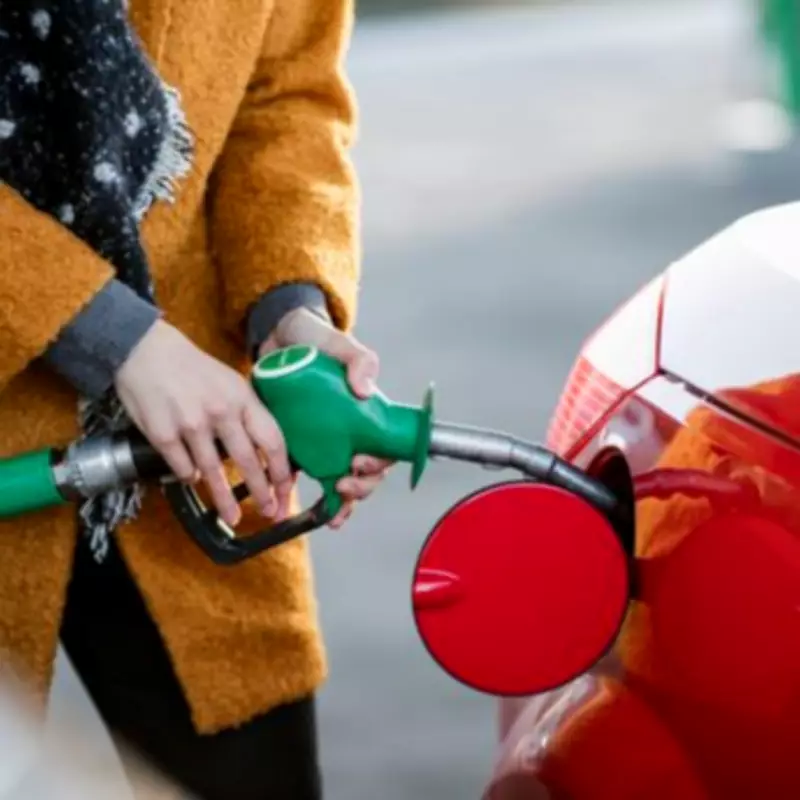
UK Fuel Prices Drop for First Time in 48 Days Amid Fragile Ceasefire
UK drivers are receiving welcome news as fuel prices have fallen for the first time in 48 days, according to the RAC. This marks a significant shift since the Iran war broke out on February 28, which had sent global oil prices spiralling and sharply increased costs at British petrol stations.
Impact of the Iran War on Fuel Costs
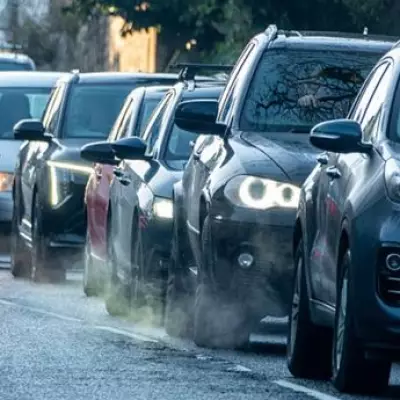
The conflict led to a rapid and severe impact on fuel prices. From relatively steady levels at the start of the year, with petrol and diesel in the 130p to 140p range, prices surged towards 160p for petrol and over 190p for diesel. This added a considerable sum to the cost of filling up a tank, straining household budgets across the country.
A key driver behind this spike was the closure of the Strait of Hormuz, a vital shipping lane for the world's energy supply. The strait remains heavily restricted due to a US blockade and Iranian efforts to control vessel passage, making it a crucial factor in determining future fuel costs.

Ceasefire Brings Temporary Relief
However, a fragile ceasefire has seen oil prices fall back below $100 per barrel, though they remain significantly higher than before the latest conflict erupted. This development has halted the relentless rise in fuel costs at the pumps. The RAC confirmed that average prices began to drop yesterday for the first time since the war outbreak, with petrol dipping below 158p and diesel dropping beneath 191p for the first time since April 8.
RAC head of policy Simon Williams commented on the situation, stating, "After 46 days of rising prices, the cost of both petrol and diesel across the country has finally begun to drop very slightly." He added, "Wholesale prices are still lower, so we're hopeful there will be further reductions amounting to several pence a litre in the coming days."
Political Efforts and Future Outlook
Prime Minister Sir Keir Starmer has pledged to "do everything I can" to ease the burden of the Iran war on the British public and secure the reopening of the Strait of Hormuz. In a recent gathering with world leaders in Paris, he emphasized the importance of building a coalition to ensure a permanent ceasefire and open the strait, noting that the conflict affects economies globally.
Despite the recent drop, the situation remains precarious and unpredictable. Williams noted, "While we're a long way from a return to the prices we had at the start of the conflict, there's now a glimmer of light at the end of the tunnel." Drivers, who have faced record rises, will be relieved to see prices moving in a more favourable direction, but ongoing geopolitical tensions mean that stability is not yet assured.