Labour Government Consults on Mandatory Eyesight Tests for Drivers Over 70
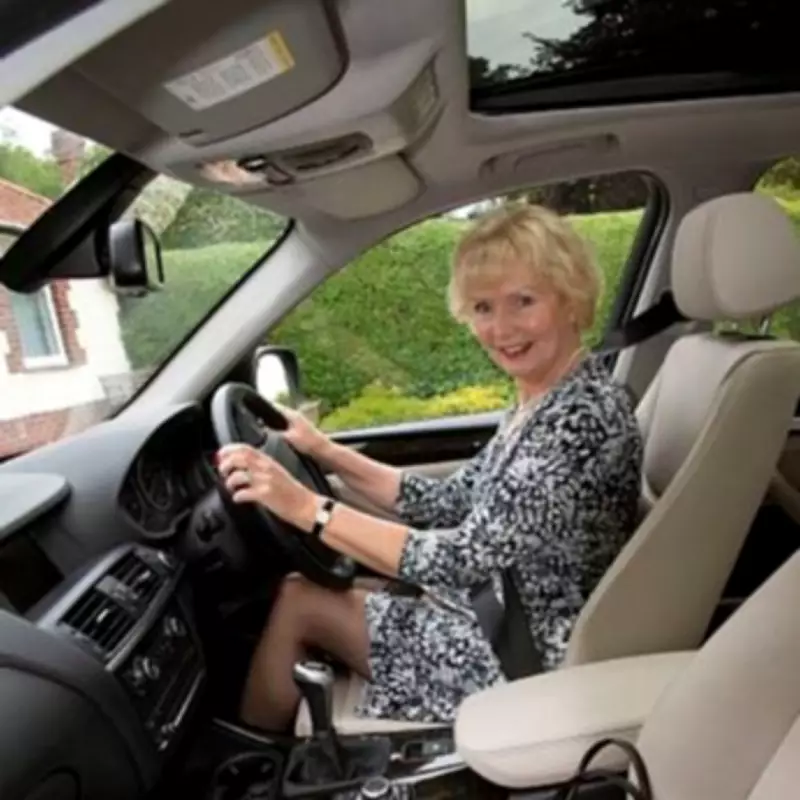
The Labour government has launched a consultation on introducing mandatory and compulsory eyesight checks for drivers aged 70 and over, to be conducted every three years. If implemented this year, this rule change would specifically impact state pensioners born before 1956, raising significant considerations for road safety and elderly mobility.
Transport Minister Highlights Age-Related Vision Concerns
Lilian Greenwood, the Labour Party Transport Minister, emphasized the necessity of this proposal, stating: "This consultation is seeking views on introducing mandatory eyesight testing for older drivers." She explained that eyesight deterioration is a common aspect of ageing, often resulting from natural changes in the eye's structure and function. Conditions such as glaucoma and macular degeneration become increasingly prevalent in later years, posing risks on the roads.
Greenwood further noted: "While this consultation is focused on the mandatory eyesight testing of drivers aged 70 and over, we also recognise that more will need to be done to address wider health conditions associated with an ageing population and the increase in older drivers predicted." She indicated that future measures might include cognitive assessments to ensure overall fitness to drive, underscoring a broader approach to senior driver safety.

Response to Coroner Warnings and Legal Standards
This consultation follows alarming warnings from coroners linking poor eyesight to road fatalities. The Department for Transport (DfT) outlines in the consultation that all drivers bear a legal responsibility to meet specific eyesight standards. These standards require:
- A visual acuity of at least 6 out of 12 on the Snellen scale.
- The ability to read a number plate from 20 metres away, with corrective lenses if necessary.
- A normal field of vision, assessed through tests like the Esterman binocular field test or Goldmann perimetry.
The DfT warns that as individuals age, eyesight often declines in visual acuity, and conditions affecting the field of vision are more likely to develop. Additionally, the ability to recover from glare diminishes. This gradual deterioration can occur unnoticed, increasing collision risks for older drivers and other road users without proper correction or treatment.
Benefits of Regular Eyesight Testing
Regular eyesight tests are highlighted as crucial not only for ensuring compliance with driving standards but also for early detection of various medical conditions and eye diseases. The DfT asserts that such proactive measures can enhance overall health monitoring and prevent accidents, contributing to safer roads for everyone.
This proposal marks a significant step in addressing the challenges posed by an ageing driving population, balancing safety concerns with the need for mobility among seniors. Public input through the consultation will shape the final policy, potentially leading to stricter regulations for older drivers in the near future.