Fuel Prices Finally Drop After 46 Days of Continuous Increases
Motorists across the country have received welcome news as petrol and diesel prices have finally begun to decrease after 46 consecutive days of rises. According to the latest analysis from the RAC, this marks the first drop in fuel costs since mid-March, providing much-needed relief to drivers facing escalating expenses at the pumps.
Current Price Levels and Analysis
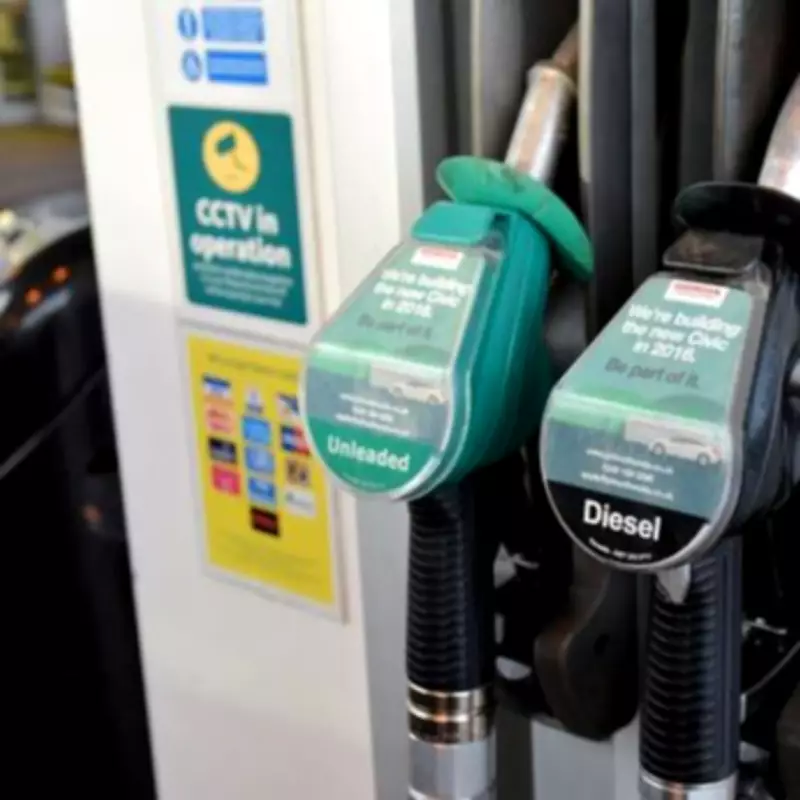
The RAC reports that petrol prices have now fallen below 158p per litre, while diesel has dropped under 191p per litre. These levels represent the lowest prices seen since 8 April, signaling a potential shift in the recent trend of steep increases. Simon Williams, head of policy at the RAC, commented on the development, stating, "After 46 days of rising prices, the cost of both petrol and diesel across the country has finally begun to drop very slightly."
Williams further explained that wholesale prices remain lower than retail prices, raising hopes for additional reductions in the coming days. He noted, "Wholesale prices are still lower, so we're hopeful there will be further reductions amounting to several pence a litre in the coming days. After record rises, drivers will be relieved to finally see prices going the other way." While acknowledging that prices are still far from pre-conflict levels, he described this drop as "a glimmer of light at the end of the tunnel."

Broader Context and International Developments
This domestic fuel price change coincides with significant international efforts to address global energy stability. Labour Party Prime Minister Sir Keir Starmer and French President Emmanuel Macron are chairing a meeting focused on freedom of navigation in the Strait of Hormuz, a critical waterway for global oil shipments. The meeting occurs as a 10-day ceasefire between Israel and Lebanon remains in effect, aiming to reduce regional tensions.
President Macron emphasized that the proposed mission would be international and defensive, excluding nations directly involved in conflicts, such as Israel, Iran, and the United States. French Foreign Minister Jean-Noël Barrot clarified, "The mission we are referring to could only be deployed once calm has been restored and hostilities have ceased."
Prime Minister Starmer is expected to advocate for the immediate reopening of the strait, stating, "The unconditional and immediate reopening of the strait is a global responsibility, and we need to act to get global energy and trade flowing freely again." He and Macron are committed to establishing a multinational initiative to protect shipping lanes, support mine clearance, and enhance global security. Starmer will travel to Paris to co-host the virtual meeting and have lunch with Macron, underscoring the collaborative approach to these challenges.
This combination of falling fuel prices and international diplomatic efforts highlights the interconnected nature of local economic relief and global energy policies, offering a cautious optimism for both drivers and broader market stability.