The RAC has moved to clarify a widespread and potentially costly misunderstanding among UK motorists regarding speeding penalties and a supposed 'grace' period on speed limits.
The Truth About the '10% Plus 2' Guidance
The breakdown and insurance provider, headquartered in Walsall, addressed the persistent belief that drivers are granted a 10% buffer over the posted limit before facing prosecution. The company stated unequivocally that this is a dangerous assumption. In the eyes of the law, you become liable for a speeding fine the moment you exceed the limit. This means travelling at 31mph in a 30mph zone or 71mph on a motorway is technically illegal.
The RAC explained that while the National Police Chiefs’ Council (NPCC) offers guidance suggesting a '10% plus 2' leeway to allow officers to use discretion, this is merely a recommendation for police forces and not a legal right for drivers. Forces are not obligated to follow it, and the baseline legal fact remains: going even 1mph over the limit is breaking the law.

How Speed Cameras and Police Discretion Work
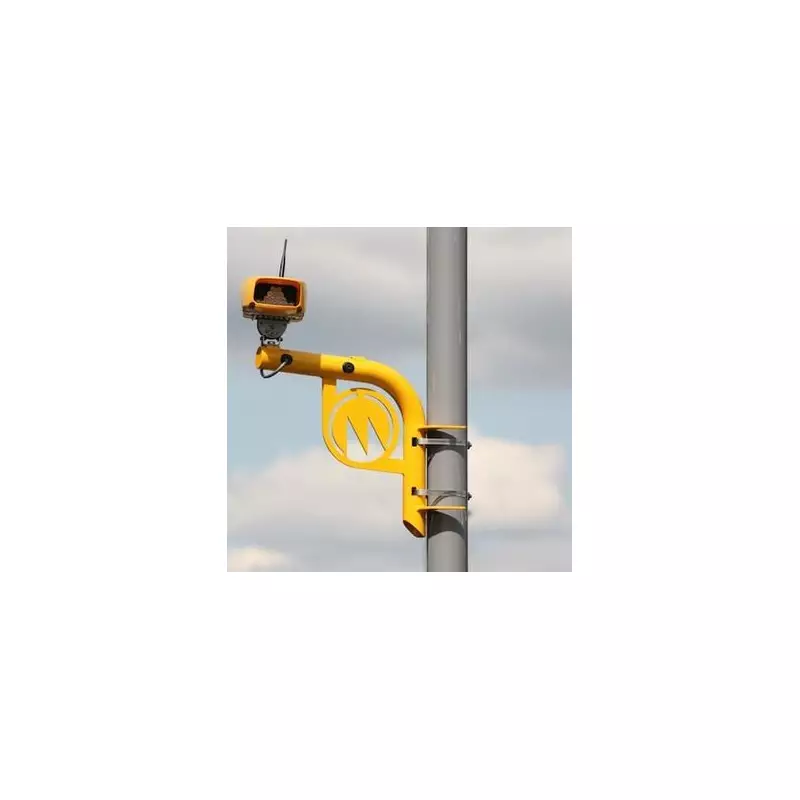
The advice also touched on the operation of speed cameras. "Most speed cameras have to be manually set to trigger at a speed," the RAC noted, adding that it is unconfirmed whether they are universally calibrated at 10% above the limit. The clear message to drivers is: "It's not worth gambling and assuming they give you 10% - never exceed the speed limit."
When caught by a mobile speed camera, the decision on whether to penalise a driver marginally over the limit rests with the individual police officer's discretion. They may choose to apply the NPCC guidance, but they are under no legal obligation to do so.
The Consequences of Being Caught Speeding
If you are detected driving above the speed limit, you will be sent two key documents: a Section 172 notice and a Notice of Intended Prosecution (NIP). The RAC strongly warns drivers never to ignore these notices, as doing so can lead to being summoned to court.
Once the Section 172 is returned, identifying the driver, you will typically receive either a Fixed Penalty Notice (FPN) or a letter instructing you to attend court. If issued an FPN, you have the option to plead guilty and pay the fine or plead not guilty and take the matter to court.
The RAC's final, simple advice cuts through the complexity: to avoid fines, points, and court appearances, the safest course is to never speed at all.