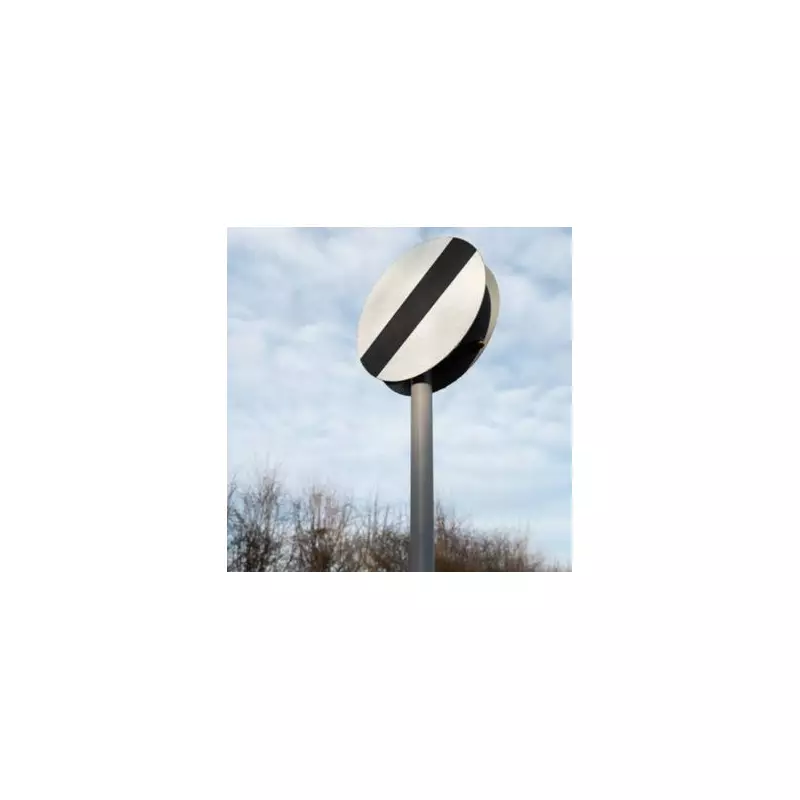
Scotland has announced a significant change to its national speed limits, specifically targeting heavy goods vehicles. The new rules will see lorries permitted to travel faster on many of the country's major roads.
What Are The New Speed Limits?
The confirmed changes, stemming from the National Speed Management Review, involve a dual approach. The speed limit for Heavy Goods Vehicles (HGVs) over 7.5 tonnes will increase from 40mph to 50mph on single carriageway roads. On dual carriageways, the limit for these large vehicles will rise from 50mph to 60mph.
These adjustments are designed to reduce the speed difference between lorries and other traffic. Originally, the review also considered lowering the limit for cars on single carriageways from 60mph to 50mph, but this proposal has not been taken forward.

Safety First: The Reasoning Behind The Change
Transport Secretary Fiona Hyslop stated that the evidence-based review is crucial for working towards the goal of making Scotland's roads the safest in the world by 2030. She pointed to the positive outcomes of a previous trial on the A9 route between Perth and Inverness.
"By reducing the speed differential between HGVs and other vehicles, this change is expected to enhance road safety by reducing driver frustration and improving journey time reliability," Hyslop explained. The A9 trial reportedly led to fewer risky overtaking manoeuvres, better overall traffic flow, and a reduction in serious collisions.
"We must never lose sight of the fact that one death on our roads is one too many," Hyslop added, emphasising that the proposals represent a vital step towards greater safety.
Mixed Reactions From Political Parties
The policy shift has not been met with universal approval. The Scottish Greens, who have long campaigned for lower speed limits, criticised the decision not to reduce the national speed limit for cars to 50mph. The party's transport spokesman, Mark Ruskell, called the move "regrettable" and claimed it "goes against the evidence."
"Our priority has to be preventing accidents and saving lives," Ruskell said. "Lower speeds have been shown to reduce the number and severity of incidents, with limited impact on journey times."
Conversely, the Scottish Conservative Party also voiced opposition, but from a different perspective. Their transport spokesman, Liam Kerr, labelled the original proposals for lower car limits as "needless." He argued that the government should focus on physical road improvements, such as the long-delayed project to dual the A9.
Kerr said: "Taxpayers will rightly be furious that hundreds of thousands of pounds have been wasted on this senseless idea, which would have penalised ordinary people without cutting down on dangerous driving." He also highlighted that consultation responses showed most respondents did not believe lowering car limits would address casualties.
The finalised changes, confirmed on 16 December 2025, signify a focused attempt to manage road safety by altering the dynamics between different vehicle types, rather than implementing a blanket reduction for all traffic.