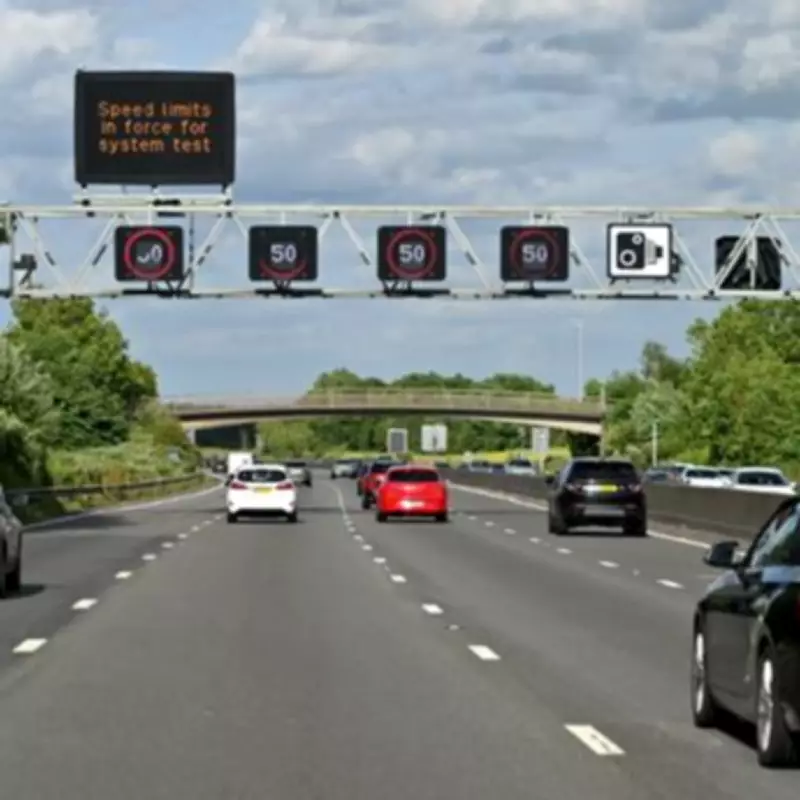
The UK government is planning to introduce harsher penalties for motorists using 'ghost' number plates to evade speed cameras, including the possibility of immediate vehicle seizure and penalty points. The Department for Transport has consulted on changes to the Road Safety Strategy, with the deadline for responses having passed last week.
What Are Ghost Number Plates?
Ghost number plates, also known as 3D or 4D plates, are illegal plates designed to be undetectable by speed and bus lane cameras. They often involve reflective tape, cloning of legitimate plates, or 'stealth' materials that thwart Automatic Number Plate Recognition (ANPR) systems. Former Biometrics and Surveillance Camera Commissioner Professor Fraser Sampson previously highlighted that around one in 15 motorists were outsmarting the technology, describing it as a 'staggeringly simple' vulnerability.
Proposed Penalties
The government is considering ramping up penalties for offences related to incorrect, altered, or false number plates. The consultation asks whether police should have the power to impose penalty points and seize vehicles instantly when drivers use false plates or those designed to fool cameras. Currently, some offences do not carry extra penalties such as points or seizure, which police and road safety groups have flagged as a concern.

Other Offences Under Review
- Vehicle roadworthiness issues (no MOT)
- Where no current keeper is identifiable
- Incorrect, altered, or false number plates that prevent justice
Government's Stance
Lilian Greenwood MP, in a forward to the consultation, stated that the strategy aims to reduce deaths and serious injuries on UK roads. In 2024, there were 1,602 road deaths and 27,865 serious injuries. She emphasized that strong, decisive action is long overdue and that a range of measures working together is needed to make progress.
The consultation also covers drink and drug driving, medical fitness to drive (e.g., mandatory eye tests for over-70s), and seatbelt use. On the issue of motor insurance, the government highlighted disparities in penalties between false declarations to obtain insurance and driving uninsured, with the latter carrying a fixed penalty of £300 and 6 points, while the former often lacks points or disqualification.
Next Steps
A summary of responses to the consultation will be published within the next three months, after which the government plans to change the legislation later this year. The aim is to give police the powers needed to tackle offenders who hide behind the law, making it harder to identify vehicle owners and pursue justice.