A Birmingham councillor is pushing for cheaper bus tickets on shorter journeys across the West Midlands, arguing the current flat fare system is making public transport unappealing for local residents.
The Call for Cheaper Short Journeys
Councillor Liz Clements, who previously served as Birmingham City Council's cabinet member for transport, told the West Midlands Combined Authority's transport committee that the region's bus network needs to follow examples set elsewhere in the UK and Europe.
She highlighted what she called a 'perverse' situation where passengers must pay £3 for a single trip regardless of distance travelled, while day tickets costing £5.20 offer significantly better value.

'For going two stops up the road to do some shopping, that costs me £3,' Clements stated during the meeting. 'If we want to make buses attractive we've got to do something to sort out that disparity with short journeys.'
Fares Strategy Linked to Future Franchising
Pete Bond, Transport for West Midlands' Director of Integrated Transport Services, confirmed that discussions about fare structures are ongoing.
He revealed that a proposed fares and payment strategy will be introduced when the first franchised bus services begin operation between 2027 and 2029.
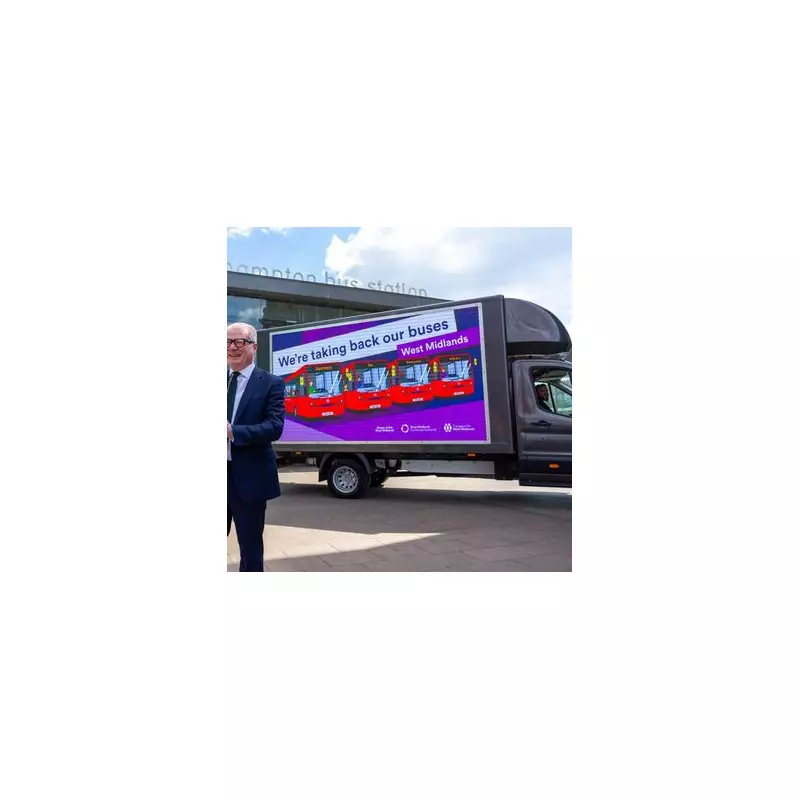
The move to a franchised model was championed by West Midlands Mayor Richard Parker shortly after his election. This system will give transport authorities greater control over fares, timetables and routes, moving away from the current privately-operated network.
Broader Context of Bus Travel in the Region
The debate over fares comes at a critical time for public transport in the West Midlands. Bus services account for almost 80% of the region's public transport journeys, facilitating approximately 245 million passenger trips each year.
Clements emphasised that many residents are facing a 50% increase in fares during the ongoing cost of living crisis, making affordable transport options increasingly important.
She also pointed to more flexible ticketing systems used in London and major European cities, where passengers can make multiple changes within a set time period, as models worth considering for the West Midlands.