A prominent councillor has launched a fresh demand for the reintroduction of cheaper 'short hop' bus fares across the West Midlands, arguing the current flat rate is discouraging people from using vital public transport services.
The Call for Affordable Short Journeys
Councillor Liz Clements, who previously served as Birmingham City Council's cabinet member for transport, raised the issue directly with transport bosses at a meeting of the West Midlands Combined Authority's (WMCA) Transport Delivery and Overview and Scrutiny committee. She highlighted the stark disparity where a day ticket offers good value at £5.20, but a single trip of any distance costs a flat £3.
"We've still got an ongoing cost of living crisis and people are seeing their 50 per cent increase in fares," Clements stated. She pointed out the lack of a discounted fare for short trips, a feature common in other major cities. "It's a shame we don't have the same kind of tickets such as the Greater London one which allows you to travel for an hour and make multiple changes. That's very similar to tickets I'm familiar with in big French and German cities."

Current System vs. The Franchised Future
Councillor Clements described the current situation as "perverse," noting that a two-stop shopping trip costs the same as a much longer journey. "If we want to make buses attractive we've got to do something to sort out that disparity with short journeys," she urged.
In response, Pete Bond, Transport for West Midlands' Director of Integrated Transport Services, confirmed that discussions about the fare structure are ongoing. He revealed that a comprehensive fares and payment strategy is proposed to be introduced alongside the first franchised bus services, scheduled for operation between 2027 and 2029.
A New Era of Public Control
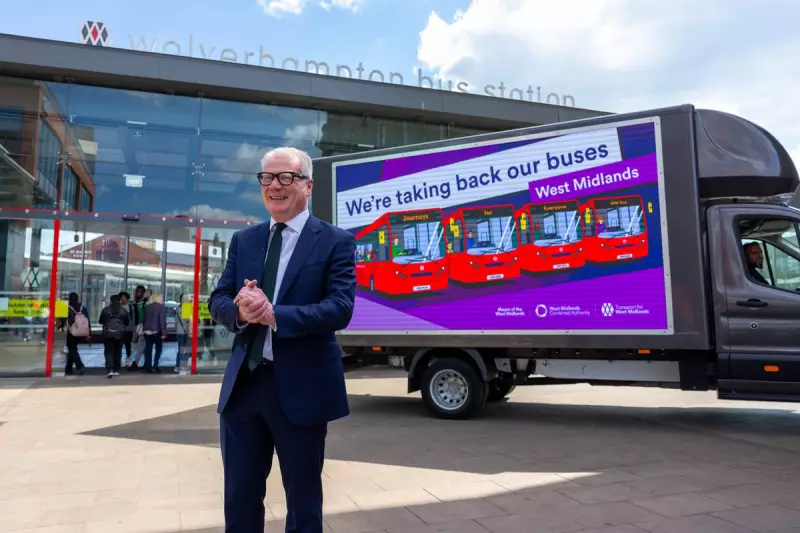
The move towards a franchised model is a key policy of West Midlands Mayor Richard Parker, who was elected in 2024. Shortly after taking office, he set out plans to transition the region's bus network from private operator control to a publicly controlled franchised system. This model, already backed by the WMCA Board, would grant local authorities greater control over fares, timetables, and routes.
This change is significant for a region where bus services constitute almost 80 per cent of all public transport journeys, facilitating a massive 245 million passenger trips annually. The reintroduction of a short hop fare could be a pivotal step in making this essential service more accessible and appealing to residents facing financial pressures.