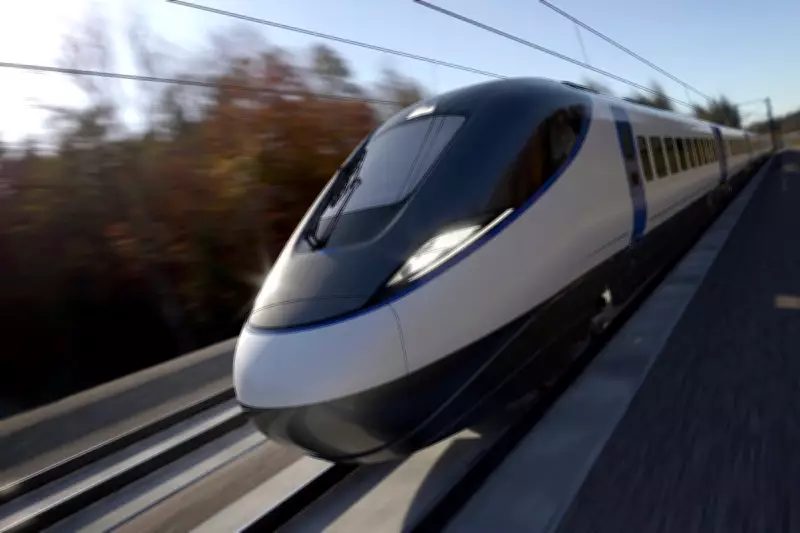
The High Speed 2 (HS2) rail project is facing a significant reset as its price tag has now surpassed the £100 billion mark, according to recent reports. This massive cost overrun has prompted the government to announce a comprehensive review of the project, raising questions about its viability and future direction.
Cost Escalation and Delays
Originally estimated at around £56 billion, the HS2 project has seen its costs balloon dramatically. Factors contributing to this escalation include inflation, complex engineering challenges, and increased material costs. The project, which aims to connect London with Birmingham and eventually Manchester and Leeds, has also faced numerous delays, pushing back completion dates.
The news of the cost overrun has sparked widespread debate among politicians, economists, and the public. Critics argue that the project has become an unsustainable financial burden, while supporters maintain that it is essential for future economic growth and connectivity.

Government Response
In response to the escalating costs, the government has announced a reset of the project. This includes a thorough review of its scope, budget, and timeline. Transport Secretary Mark Harper stated, "We are committed to delivering HS2, but we must ensure that it provides value for money for taxpayers. This review will help us identify where savings can be made and how we can deliver the project more efficiently."
The review is expected to report back later this year, with potential recommendations including scaling back some parts of the route or adopting alternative construction methods. However, any changes could further delay the project and increase costs in the short term.
Economic and Environmental Implications
HS2 is touted as a key infrastructure project that will boost economic growth, create jobs, and reduce travel times. It is also seen as a greener alternative to domestic flights and road travel. However, the cost overruns have led to concerns about the opportunity cost of investing such large sums in a single project.
Environmental groups have also raised issues about the impact on wildlife and landscapes along the route. The project has already faced legal challenges and protests from activists. The reset could provide an opportunity to address some of these concerns, but it remains to be seen how the government will balance economic, environmental, and financial considerations.
Public Opinion
Public opinion on HS2 is divided. A recent poll found that 45% of respondents supported the project, while 40% opposed it, with the rest undecided. Supporters point to the potential long-term benefits, while opponents cite the escalating costs and disruption caused by construction.
Local communities along the route have expressed frustration over the delays and lack of clear information. Many are calling for greater transparency and engagement from the government and HS2 Ltd.
Looking Ahead
The reset of HS2 represents a critical juncture for the project. The outcome of the review will determine whether the project proceeds as planned, is scaled back, or potentially canceled. The government has reiterated its commitment to high-speed rail, but the financial realities may force difficult decisions.
As the review gets underway, all eyes will be on the government's next steps. The future of HS2 hangs in the balance, with implications for the UK's infrastructure strategy and economic development for decades to come.