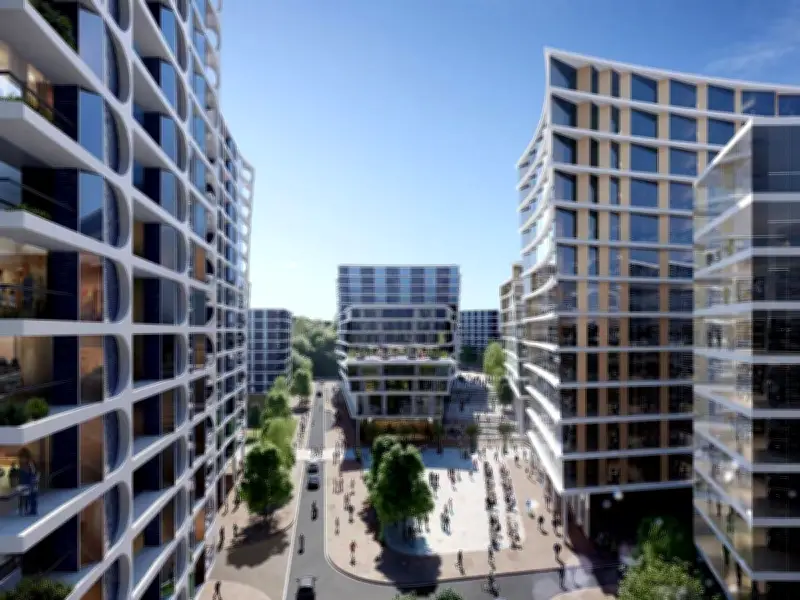
Bristol City Council is set to absorb significantly higher costs for the Temple Island development after a deal struck in 2022 with developer Legal & General (L&G) became financially unviable. The landmark project near Temple Meads station includes hundreds of new homes, office blocks up to 19 storeys, a hotel, and a conference centre.
Affordable housing halved amid cost pressures
Under the original agreement, 40% of the 520 homes were designated affordable. However, a council report now proposes halving that to 20%, contingent on a grant from Homes England. The reduction emerged months before L&G secured planning permission in April.
The council has already committed £32 million to decontaminate the former diesel rail depot, previously known as Arena Island. The cleanup took four years, paving the way for L&G's £350 million investment, expected to take roughly a decade.

Financial viability shifts
The report, due to be ratified by the strategy and resources committee on July 13, states that land value has fallen sharply due to a 35% increase in construction costs since 2022 and new safety regulations. At the same time, demand and pricing for Grade A office space in central Bristol have risen steeply.
The council had guaranteed office rent to L&G for 40 years, estimated at £2 million annually. Now, the rental guarantee must be valued proportionately higher to maintain development viability. The exact figure is commercially sensitive and not publicly available.
According to the report: "As the prevailing rents for Grade A office space have increased significantly since 2022, it is proposed that the rental guarantee is now valued proportionately higher so that it can still contribute to the development viability."
Long-term revenue risks
The council, which will sublet the offices, faces a long-term revenue commitment. The report warns: "There is a risk that income generated from office occupiers may be insufficient to meet lease payments to L&G due to void periods, slower-than-anticipated occupation, market rent fluctuations, rent-free incentives, operating costs or wider market changes. This may create a revenue budget pressure, particularly during the early years of occupation."
Finance officers stated: "Finance supports the principle of the proposed variation as a pragmatic route to progressing the scheme in current market conditions. However, members should be clear that the decision creates a long-term revenue exposure for the council and that the financial position will require active monitoring and management over the life of the lease."