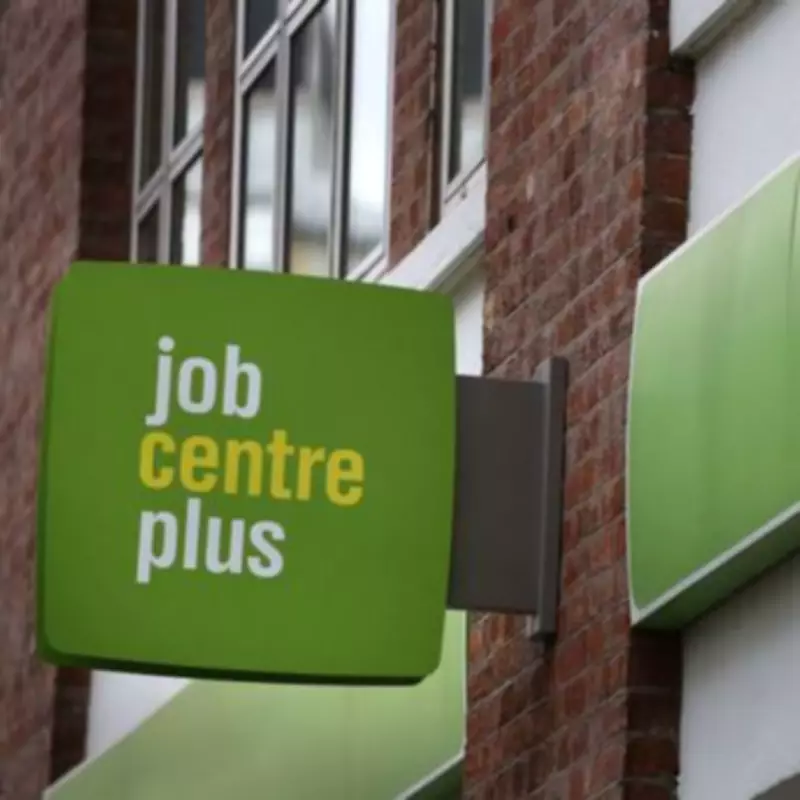
UK Unemployment Rate Climbs to 5.2%, Marking Highest Level Since 2021
The United Kingdom has witnessed a significant rise in unemployment, with the rate reaching 5.2% for individuals aged 16 and over during the period from October to December 2025. This figure represents the highest unemployment level recorded since 2021, according to official data released recently. The increase is noted both in comparison to the previous quarter and estimates from a year ago, signaling a concerning trend in the labor market.
Employment and Payroll Figures Show Decline
Concurrently, the UK employment rate for people aged 16 to 64 years was estimated at 75% in the same quarter, showing a decrease from the latest quarter but remaining unchanged from a year ago. More strikingly, early estimates for payrolled employees in January 2026 indicate a decrease of 134,000 (0.4%) compared to the previous year, and a drop of 11,000 from the previous month, bringing the total to 30.3 million. Between December 2024 and December 2025, payrolled employees fell by 121,000 (0.4%), with a further decrease of 6,000 between November and December 2025.
Vacancies and Wage Growth Trends
The number of job vacancies has remained broadly stable in recent periods, with early estimates from November 2025 to January 2026 suggesting a minor increase of 2,000 (0.3%) to 726,000, compared to the period from August to October 2025. On the wage front, annual growth in employees' average earnings in Great Britain stood at 4.2% for both regular and total earnings in October to December 2025. However, this growth varied significantly between sectors, with public sector regular earnings growing by 7.2% and private sector earnings by 3.4%.

When adjusted for inflation, real wage growth was modest at 0.5% for both regular and total pay during the same quarter. Liz McKeown, Director of Economic Statistics at the ONS, commented, "The number of workers on payroll fell further in the final quarter of the year, reflecting weak hiring activity, although it is largely unchanged in the latest month. Over the same period, the unemployment rate increased, with data showing that more people who were out of work are now actively looking for a job."
Economic Implications and Expert Insights
McKeown further noted that the number of vacancies has remained broadly stable since mid-last year, but alongside rising unemployment, this has led to an increase in the number of unemployed people per vacancy, reaching a new post-pandemic high. Redundancies are also trending upward. She added, "Private sector wage growth continues to slow and is at its lowest rate in five years. Public sector pay growth also slowed in the latest period but remains elevated, still affected by some pay awards being implemented earlier in 2025 than 2024, although this effect has now started to diminish."
Craig Fish, Director at London-based Lodestone Mortgages, shared his perspective with Newspage, stating, "Today's jobs data sends a clear warning signal to the property market. Unemployment climbing to 5.2% and payrolled employees falling by 134,000 year-on-year tells us confidence is quietly draining from the economy and nervous employees don't commit to mortgages."
He elaborated that while wage growth of 4.2% might seem acceptable, real earnings growth after inflation is only 0.5%, meaning households are not feeling financially better off, which contributes to buyer hesitancy. Fish pointed out a potential silver lining: a softening jobs market could prompt the Bank of England to cut interest rates, a move already anticipated by markets. However, he warned, "But make no mistake: rising unemployment, falling payrolls, and near-flat real wages will create real headwinds for transaction volumes this spring. Sellers need realistic pricing, buyers need certainty, and anyone in the market needs a mortgage broker who understands that lenders will be watching these numbers very closely. The jobs market is cooling and the property market will feel it."
This data underscores a period of economic adjustment in the UK, with rising unemployment and slowing wage growth posing challenges for both the labor market and broader economic sectors like property.