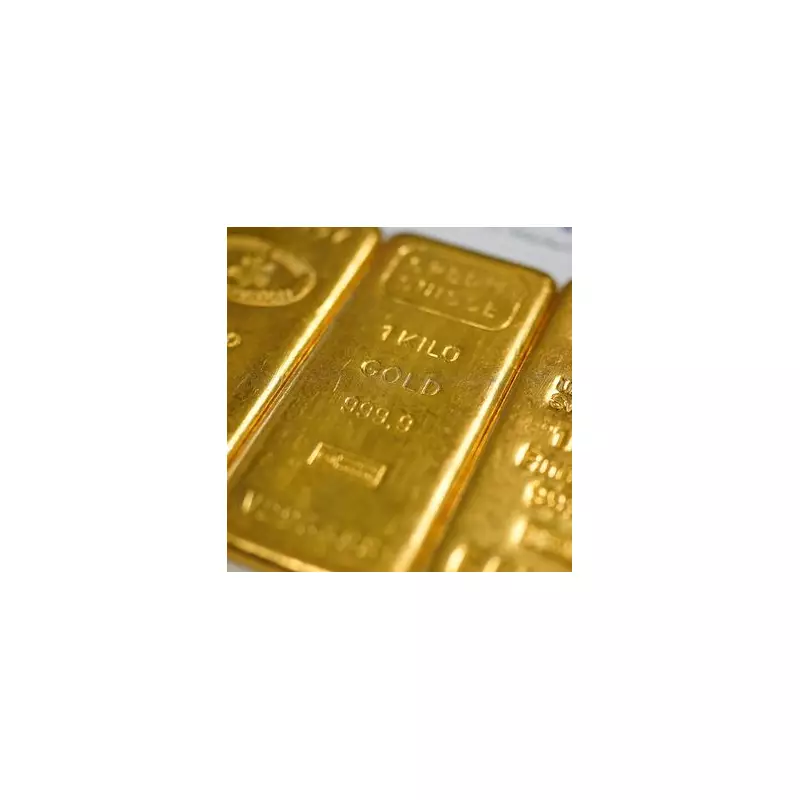
The prices of gold and silver have rocketed to historic peaks, with traders now speculating that the value of gold could soon reach the landmark figure of $5,000 per ounce.
Record Prices and Geopolitical Fuel
In overnight trading, gold reached a new all-time high of $4,583.34, while silver also hit a record peak of $84.43. This dramatic surge is being driven by a potent cocktail of international instability and domestic political uncertainty.
Market analysts point directly to escalating tensions. The situation in Venezuela, former President Donald Trump's renewed threats of military action against Iran, and a significant development in the United States have all combined to spook investors.

The US Justice Department has launched a criminal investigation into Jerome Powell, the Chairman of the US Federal Reserve. While the probe is reportedly centred on works and renovations at Fed buildings, Powell issued a defiant video statement. He suggested the threat of charges was a result of the Fed setting interest rates to serve the public, not to follow presidential preferences.
Expert Analysis: A Flight to Safety
David Belle, Founder and Trader at Fink Money, provided a stark assessment. "The more anti-BRIC sentiment there is, the higher gold and silver will go. It really is that simple," he stated. He explained that central banks in nations like China are actively seeking to hold more gold than dollars to secure non-USD liquidity.
"The Chinese central bank has been a huge buyer of gold since Trump's election win in 2024," Belle added, "and they are likely watching geopolitical events unfold with an extreme sense of fear."
Anita Wright, a Chartered Financial Planner at Ribble Wealth Management, emphasised that this is not a one-factor story. "Yes, geopolitics is adding rocket fuel, but the bigger issue is confidence: confidence in central banks, in fiscal discipline, and in the independence of monetary policy," she noted.
Structural Shifts and Future Forecasts
Wright highlighted a quieter, long-term driver: continued diversification of reserves by central banks worldwide. She pointed to reports that the Reserve Bank of India has been reducing its holdings of US Treasury bonds while simultaneously increasing its gold reserves.
"It is less about short-term headlines, more about the long-term erosion of purchasing power and trust in fiat currency frameworks," Wright explained. When asked if $5,000 gold and $100 silver are imminent, she responded, "It is possible, but it will not be a straight line." She warned that while momentum can cause markets to overshoot new highs, they can also snap back sharply due to profit-taking.
The consensus among experts is clear: the rush into these traditional safe-haven assets reflects a deep-seated anxiety about global stability and the integrity of financial institutions. With the cited factors showing no sign of abating, the path to $5,000 gold may indeed be shorter than many anticipated.