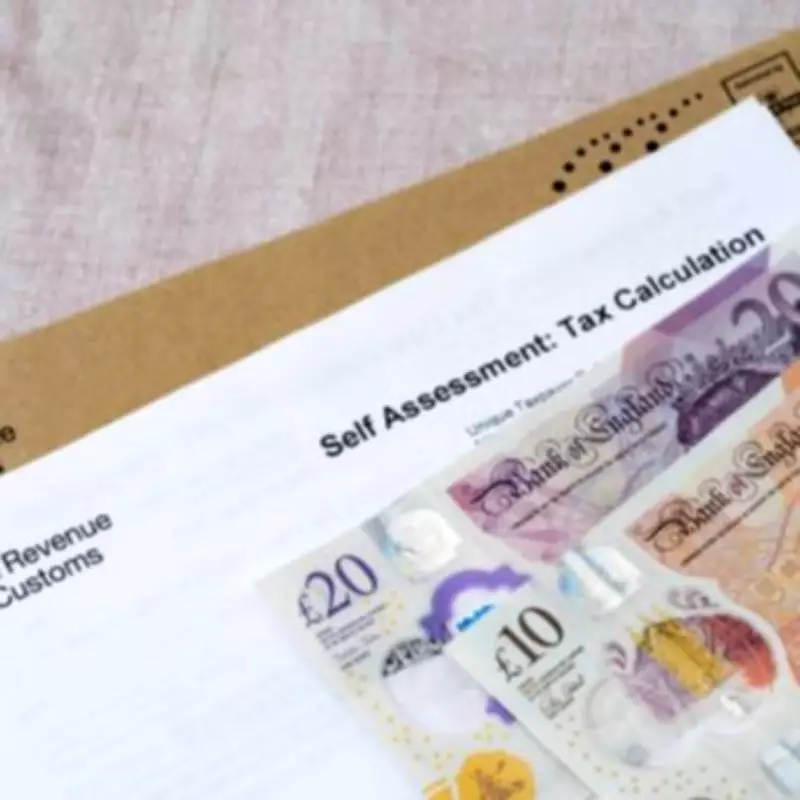
HMRC Rolls Out New Points-Based Penalty System for Late Tax Returns
HM Revenue and Customs (HMRC) has introduced a new penalty framework for late submission and payment of income tax, coinciding with the implementation of Making Tax Digital (MTD) for income tax. This system replaces previous rules with a points-based approach that imposes financial penalties on taxpayers who fail to meet deadlines.
How the New Penalty System Works
The new late submission penalties operate on an accumulation basis. For taxpayers with annual filing obligations, reaching two penalty points triggers an automatic £200 fine. If another annual tax return is submitted late after this initial penalty, an additional £200 charge will be applied.
During the MTD income tax testing period and throughout the 2026/27 tax year, penalty points will be issued specifically for each annual tax return that is submitted late. It is important to note that penalty points do not apply to self-assessment returns for tax years prior to MTD implementation, which remain governed by existing late submission regulations.

Exceptions and Reset Mechanisms
HMRC has clarified several exceptions within the new system. Penalty points will not be issued for late quarterly updates during the testing phase, as these submissions are voluntary for system evaluation purposes. This exemption extends to the 2026/27 tax year as well.
The penalty structure escalates when taxpayers accumulate four points, at which point a £200 penalty is automatically applied. However, points can be reset to zero under specific conditions:
- For taxpayers with annual filing obligations: if all submissions have been made on or before the due date for the preceding 24-month period
- For taxpayers with quarterly filing obligations: if all submissions have been made on or before the due date for the preceding 12-month period
Points will also revert to zero if HMRC has received all submissions that were due in the previous 24 months.
Official Perspective on the Changes
Craig Ogilvie, HMRC's Making Tax Digital director, has defended the new system as a necessary evolution. "The system will make it easier for sole traders and landlords to stay on top of their tax affairs," he stated. "It helps ensure everyone pays the right amount of tax while reducing errors through available software solutions."
Ogilvie emphasized that the framework is designed to be straightforward, with various software options available to help taxpayers comply with the new digital requirements. The changes represent HMRC's continued push toward complete digitalization of the tax system, aiming to improve accuracy and efficiency while maintaining compliance standards.