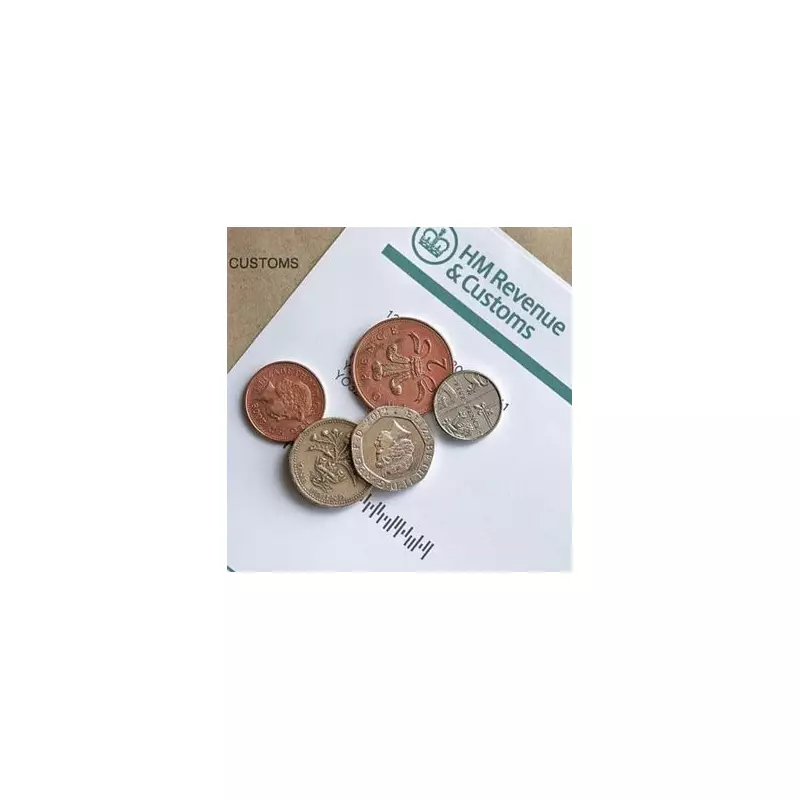
Nearly 900,000 people across the UK could soon receive a letter from HM Revenue and Customs (HMRC) regarding their savings, as the tax authority launches a new compliance drive.
Why Savers Are Being Contacted
The focus of the initiative is on individuals who have more than £3,500 in savings, particularly across multiple accounts. This action is possible because banks and building societies are required to report the interest payments they make to customers directly to HMRC.
This data allows HMRC to cross-check whether the correct amount of tax has been paid on that interest income. The letters, which are expected to be sent out imminently, are not fines or accusations, but are instead described as a "request for clarification."

The Rising Interest Rate Effect
Tax expert Grant Hamill highlighted a key reason behind the increased scrutiny. "The increase in interest rates over the past year means more savers are earning taxable interest without realising it," he said.
Many people who are not usually required to complete a Self Assessment tax return may now be earning interest above their tax-free Personal Savings Allowance (PSA). The standard PSA is £1,000 for basic-rate taxpayers and £500 for higher-rate taxpayers. Additional-rate taxpayers get no allowance.
Hamill advised: "If you’ve accumulated more than £3,500 in savings, now is a good time to review your interest earnings and ensure you’re meeting your tax obligations."
What Recipients Should Do
Receiving a letter from HMRC does not automatically mean you owe tax. It serves as a prompt to check your records. Individuals are responsible for declaring all taxable income, which includes savings interest, via a Self Assessment return if it exceeds their allowance.
Key steps if you are contacted:
- Do not panic. The letter is a routine check, not a penalty notice.
- Gather statements from all your savings accounts for the relevant tax year.
- Calculate the total interest earned and compare it to your Personal Savings Allowance.
- If you have undeclared taxable interest, you may need to register for Self Assessment.
Hamill concluded: "With the right advice and support, this can be a straightforward process." The move has sparked mixed reactions online, with some criticising HMRC's efficiency, while others noted such reminders are an annual occurrence.