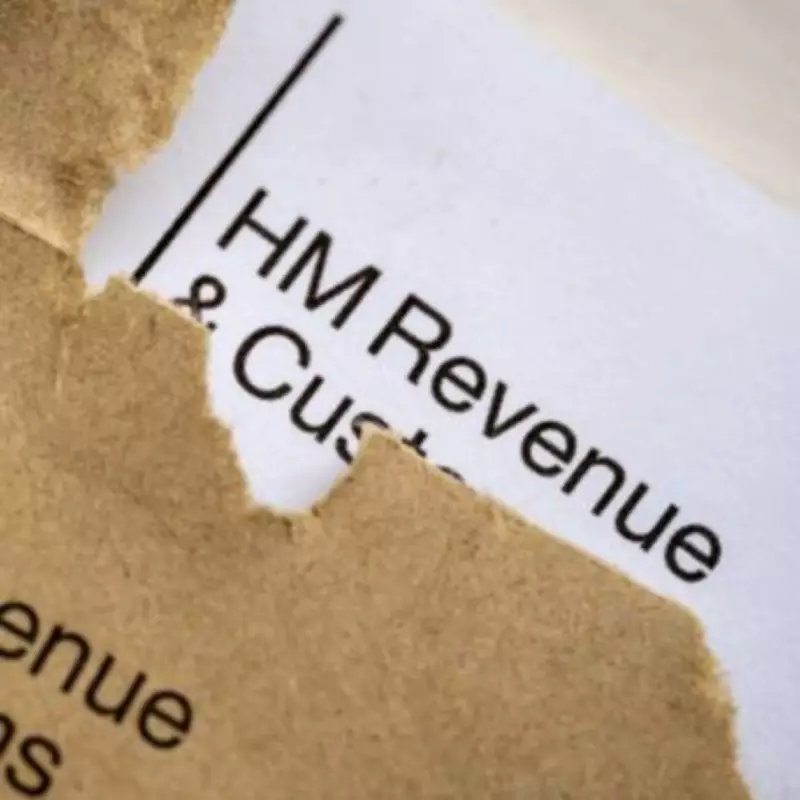
HMRC Sends Urgent Letters on New £50,000 Digital Tax Rule Effective April 2026
Thousands of sole traders and landlords across the UK are receiving urgent letters from HM Revenue and Customs (HMRC) regarding a significant change to the tax system. The notifications concern the rollout of the Making Tax Digital initiative, which will require taxpayers with incomes exceeding £50,000 to adopt a new quarterly digital reporting system starting from April 6, 2026.
Who Is Affected by the New HMRC Rule?
HMRC is currently contacting individuals whose 2024 to 2025 tax returns show self-employed or property income above the £50,000 threshold. It is essential to note that this income figure is calculated based on your total gross income before any expenses or taxes are deducted. If your income from these sources surpasses this limit, you are mandated to comply with the new digital requirements.
Key Changes and Deadlines for Taxpayers
From April 6, 2026, affected taxpayers will no longer be permitted to file a traditional annual Self Assessment return or use the existing HMRC online portal. Instead, you will be legally obligated to use compatible software to maintain digital records and submit updates every three months. This shift represents a fundamental change in how tax reporting is conducted for higher-income sole traders and landlords.

A critical aspect of this transition is the overlap period, where the old and new systems will run concurrently. Taxpayers must begin quarterly reporting for the 2026/27 tax year while simultaneously completing their final traditional Self Assessment for the 2025/26 period. This dual requirement could potentially catch many individuals off guard if they are not adequately prepared.
Penalty System for Non-Compliance
Experts are warning that a new points-based penalty system will be introduced to penalise those who miss their digital submission deadlines. Once you accumulate four penalty points for late updates or returns, HMRC will issue an automatic financial fine. While late quarterly updates will not trigger penalty points during the first year of implementation, any tax returns submitted after January 2028 will still be subject to penalties.
From the 2027 to 2028 tax year onwards, all late digital submissions will count towards your point total, increasing the risk of fines for ongoing non-compliance. It is crucial to understand these timelines to avoid unnecessary financial penalties.
Steps to Take Now to Avoid Disruption
Registration for the new Making Tax Digital system is not automatic, meaning you must proactively choose compatible software and sign up before the April 2026 start date. Failing to take action after receiving a letter could leave you facing a difficult transition and potential early errors in your tax reporting.
Importantly, tax agents and accountants are not being sent copies of these letters, so you must share the information with your adviser immediately. If you rely on a professional to manage your tax affairs, they need to be aware that you have been mandated for this change to ensure a smooth transition.
Even if you have not received a letter yet, it remains your personal responsibility to check whether your qualifying income exceeds the £50,000 limit. HMRC expects taxpayers to be aware of their status and register voluntarily if they meet the criteria for the new digital rules. Proactive preparation is key to avoiding disruptions and penalties as the April 2026 deadline approaches.