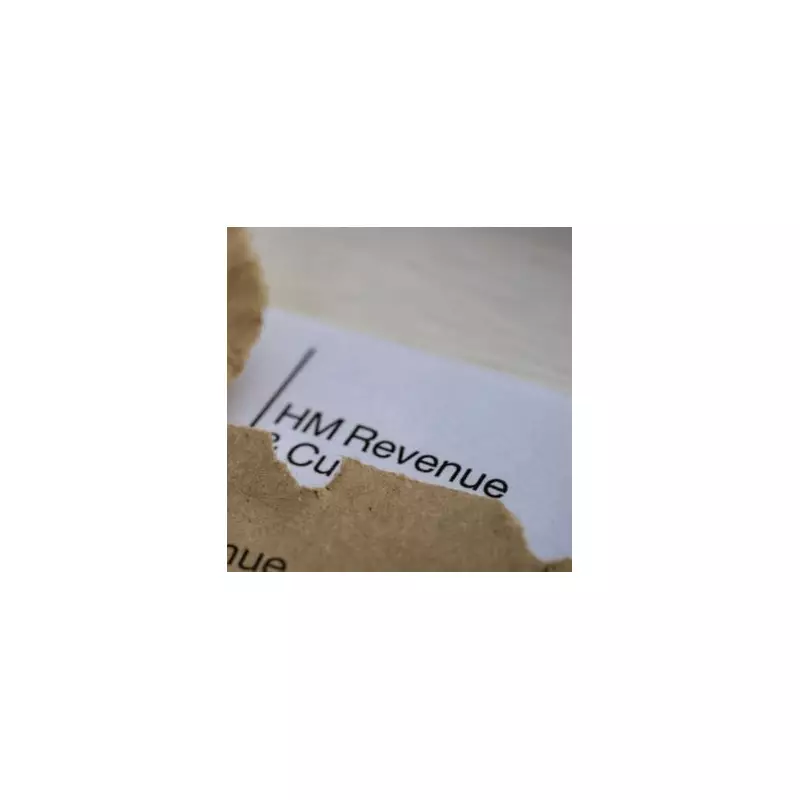
HM Revenue & Customs (HMRC) has begun a targeted campaign, sending letters to UK households holding savings of £12,500 or more. The move comes as the crucial self-assessment tax return deadline of 31 January 2026 rapidly approaches.
Understanding Your Personal Savings Allowance
The tax authority is urging individuals to complete returns for the 2024/25 tax year, which ran from 6 April 2024 to 5 April 2025. A key focus is interest earned on savings, which many may not realise is taxable if it exceeds their Personal Savings Allowance (PSA).
Your PSA is the amount of savings interest you can earn each year without paying tax on it. The allowance is £1,000 for basic-rate taxpayers and £500 for higher-rate taxpayers. Additional-rate taxpayers, who pay the 45% rate, do not receive any PSA.

Why More Savers Are Now at Risk
With savings interest rates having risen significantly in recent years, a far greater number of people are now at risk of exceeding their allowance. Previously, only those with very large cash sums were likely to be affected.
To illustrate the change: if you are a basic-rate taxpayer earning 4% interest, you can now hold £25,000 in savings before facing a tax bill. For a higher-rate taxpayer earning the same rate, the threshold is just £12,500.
To determine if you owe tax, you must add all the interest received to your other income to identify your tax band. The PSA applies to interest from a wide range of sources, including:
- Bank, building society, and credit union accounts.
- Unit trusts, investment trusts, and open-ended investment companies.
- Peer-to-peer lending and government or company bonds.
- Certain life annuity payments and insurance contracts.
Act Now and Beware of Scams
Financial institutions like Skipton Building Society offer online calculators to help savers check if they might exceed their PSA. These tools can provide an indication, though you must account for all sources of interest separately.
With the deadline pressing, HMRC has also issued a stark warning about a surge in self-assessment-related scams. Since February 2025, over 4,800 scam reports have been logged.
A spokesperson for HMRC advised: “Stay alert to potential scams. If any emails, text messages or phone calls appear suspicious, don’t be lured into clicking on links or sharing your personal information – report it directly to HMRC.”
Households are strongly encouraged to review their savings interest for the last tax year and submit their returns well before the 31 January cutoff to avoid late filing penalties.