HMRC Prepares to Send Tax Demands to Savers with Over £3,500 in Savings
The UK's tax authority, HMRC, is set to issue tax bills imminently to savers who hold £3,500 or more in savings and have exceeded their tax-free interest allowances. This move, under the Labour Party government, will impact an estimated 2.79 million Britons, including 1.42 million basic-rate taxpayers and approximately 900,000 higher-rate taxpayers, according to recent reports.
Tax Thresholds and Allowances Explained
Basic-rate taxpayers, with annual incomes between £12,571 and £50,270, are permitted to earn up to £1,000 per year in tax-free interest. Any interest above this threshold is subject to a 20% tax rate. For higher-rate taxpayers, whose incomes range from £50,271 to £125,140 annually, the personal savings allowance (PSA) is reduced to £500, with interest beyond this amount taxed at 40%.
Additionally, individuals earning above the higher-rate threshold have no PSA at all, meaning all their savings interest is taxed at a rate of 45%. This situation poses a significant financial burden, particularly during the ongoing Cost of Living crisis, as highlighted by personal finance experts.

Impact on Savers and Average Tax Bills
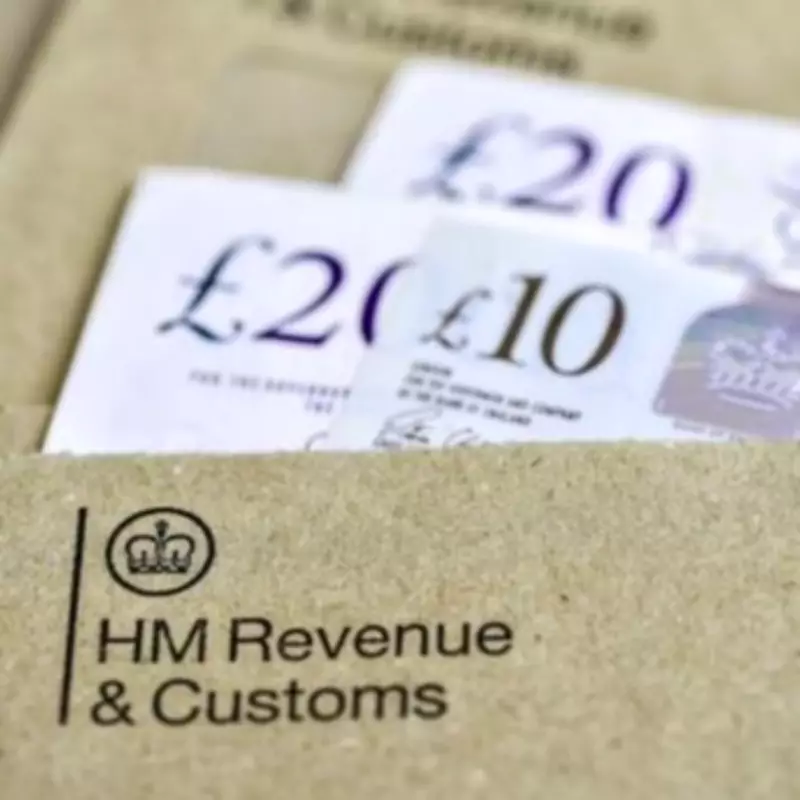
Paragon Bank's analysis reveals that 883,000 higher-rate savers have generated sufficient interest to incur tax payments, with an average bill of £2,030. Meanwhile, 1.42 million basic-rate taxpayers face an average tax bill of £641. The Metro has reported that these letters, which function as tax demands, will be stamped and dispatched "imminently."
Andrew Wright from Paragon Bank issued a stark warning: "With tax on savings income due to increase from April 2027, that pressure will only intensify at a time when households are still contending with the effects of inflation." He further emphasized the unfairness faced by mature savers, stating, "More mature savers value the stability of cash and have saved prudently over many years to build financial resilience, so it’s unfair they are being punished through a tax system not initially designed for them."
This development underscores the broader challenges within the UK's tax framework, as many households grapple with rising costs and financial uncertainty. The imminent distribution of these tax bills is expected to add further strain to savers, particularly those who have diligently built their savings over time.