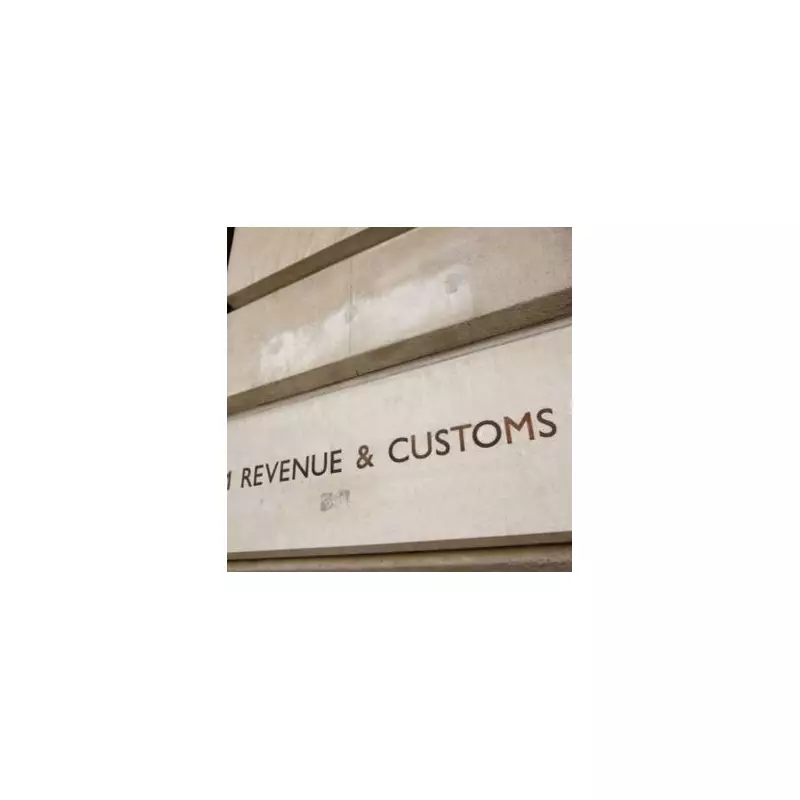
Households across the United Kingdom could be in line for life-changing financial windfalls by reporting large-scale tax fraud to the authorities. HM Revenue & Customs (HMRC) has confirmed that its Strengthened Reward Scheme will pay informants a significant percentage of the tax recovered thanks to their tip-offs.
How the HMRC Reward Scheme Works
Under the scheme, individuals who provide information that leads to the collection of at least £1.5 million in unpaid tax can qualify for a reward. The payment is calculated as a slice of the actual tax collected, not including any penalties or interest added later.
The reward percentage ranges from 15% to 30% of the recovered sum. Crucially, there is no upper cap on the total payout. This means a tip that uncovers £100 million in evaded tax could theoretically result in a reward of between £15 million and £30 million for the whistleblower.

Who Can and Cannot Claim a Reward
HMRC has set clear eligibility criteria to ensure the scheme targets genuine whistleblowers. To qualify, your information must be original, specific, and not already in HMRC's possession.
You cannot claim a reward if any of the following apply:
- You are the taxpayer involved in the evasion or helped plan the fraud.
- You are a current or former civil servant who learned the information through your job.
- You submit your report anonymously (though anonymous reports are accepted).
- You are acting on behalf of another person.
- The information could have been found by HMRC through its normal processes.
- You are legally obliged to disclose, or prohibited from disclosing, the information.
How to Report Suspected Tax Fraud to HMRC
If you suspect a person or business is deliberately underpaying tax, you can make a report directly to HMRC. All information provided is treated as private and confidential.
The reporting form will ask you for specific details, including:
- The type of fraudulent activity (within a 1,200-character limit).
- How you became aware of it and your relationship to the individual or business.
- How long the activity has been ongoing.
- The total estimated value of the fraud.
- A description of any supporting evidence you have (within a 500-character limit).
HMRC advises that the information should be as detailed and clear as possible. While you cannot attach files directly to the online form, you can indicate that you hold supporting documents when you make your initial report.
The scheme, detailed in an update on 28 December 2025, represents a significant incentive for the public to assist in recovering substantial sums lost to the public purse through deliberate tax evasion.