HMRC Issues Urgent Warning to Over 860,000 Sole Traders and Landlords
HM Revenue and Customs (HMRC) has issued a critical alert to more than 860,000 sole traders and landlords across the UK, urging them to start preparing for the upcoming Making Tax Digital (MTD) system if they haven't already done so. The new digital tax regime is set to launch this spring, marking a significant shift in how self-employed individuals and property income earners manage their tax affairs.
Quarterly Filing Requirements and Income Thresholds
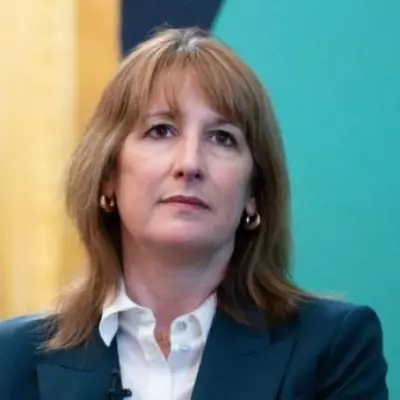
The MTD system mandates that affected taxpayers file quarterly tax updates digitally, moving away from traditional annual submissions. Claire Thackaberry, a technical officer at the Low Incomes Tax Reform Group, explains that this change impacts "self-employed people and people who have property income above HMRC’s income thresholds."
Starting from April 2026, the initial threshold for MTD compliance is set at £50,000. However, this threshold will be reduced to £30,000 on 6 April 2027, broadening the scope of individuals required to adopt the digital system. HMRC is proactively writing to affected taxpayers throughout February and March to notify them of their obligations.

Legal Responsibility and Exemptions
Even if a taxpayer does not receive a formal letter from HMRC, it remains their legal responsibility to comply with MTD requirements. Thackaberry emphasizes, "If your letter gets lost in the post, you must still sign up, unless you’re exempt."
Exemptions from the MTD system include individuals who do not have a national insurance number. Additionally, until 2027, recipients of qualifying care relief who also earn income from property or self-employment are exempt. It is important to note that the system applies specifically to individuals and not to limited companies, as confirmed by both HMRC and the Labour Party government.
Expert Insights and Potential Challenges
Andy Levett of the accountancy firm HW Fisher commented on the transition, stating, "It’s going to be a shock to the system." He highlighted the benefits of the digital approach, noting, "It will mean you don’t have to keep paper receipts and tot them up, because the digital system can read your bank account."
Levett envisions a future where taxpayers can conveniently review their accounts on-the-go, such as "while you’re sitting on the train or having a cup of coffee, going through your transactions and saying ‘That was a business expense for some books I bought,’ and ‘That was my income,’ and then pressing a button."
However, he also acknowledged potential resistance, adding, "There’s a lot of people who will absolutely detest the idea." Levett predicts that the initial implementation phase may face challenges, saying, "Even HMRC will probably be aware that this first year is going to be a festival of non-compliance and a learning experience." Despite this, he reassures taxpayers, "This is why people shouldn’t panic," emphasizing that the transition is designed to streamline tax processes over time.