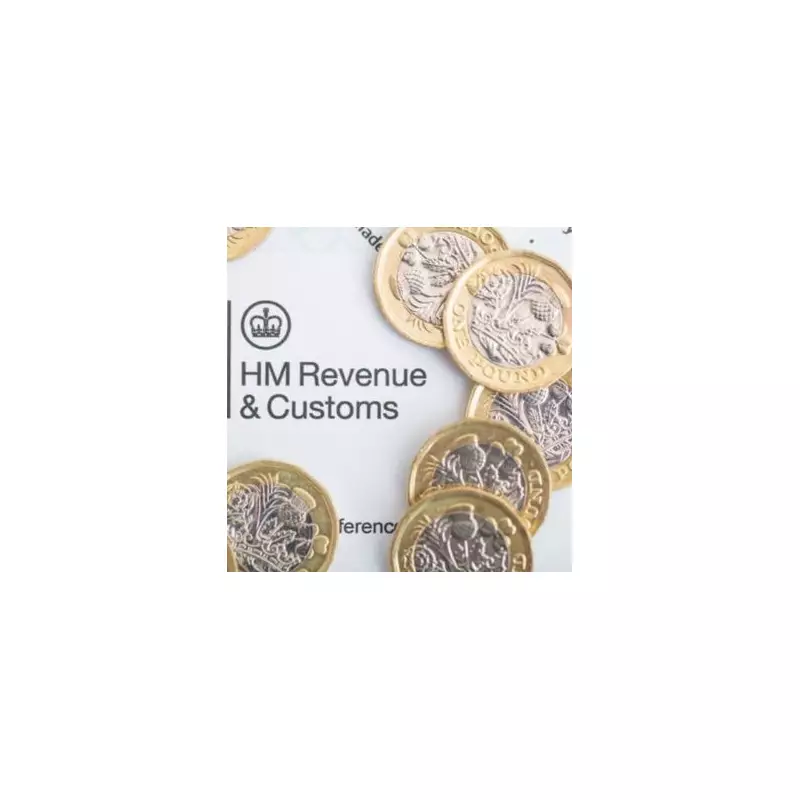
HM Revenue and Customs (HMRC) has issued a direct warning to UK households earning additional money through side hustles, emphasising that all income over £1,000 must be declared.
What Counts as a Side Hustle?
The tax authority used social media platform X to alert the public, stating clearly that anyone with a 'side hustle bringing in a bit of extra cash' needs to take note. This applies whether you are selling goods online, freelancing, creating digital content, or renting out property.
HMRC clarified that the rule covers all forms of payment. It does not matter if you receive cash in hand or a direct bank transfer – the income must be reported. The declaration requirement also extends to payments received in kind, such as gifts or services, which should be valued at their market cost.

How and When to Report Your Income
Currently, individuals earning over the £1,000 threshold from a side hustle must inform HMRC by completing a Self Assessment tax return. Failure to do so can result in unexpected tax bills and financial penalties.
However, a change is on the horizon. The UK government has announced a simplification of the process with a new digital system. By 2029, a dedicated online reporting tool will be launched for those earning between £1,000 and £3,000 from side income, removing the obligation to file a full Self Assessment return for this bracket.
The Consequences of Not Declaring
HMRC stresses that it is the individual's responsibility to report additional income. The authority is actively targeting undeclared earnings from side hustles in a wider compliance clampdown. Ignoring the rules can lead to:
- Surprise tax bills for owed tax, plus interest.
- Financial penalties for late or non-declaration.
- Increased scrutiny from HMRC in future.
The message is unambiguous: if your side hustle brings in more than £1,000 in a tax year, you must let HMRC know. The forthcoming online tool aims to reduce administrative burden, but the core rule remains firmly in place.