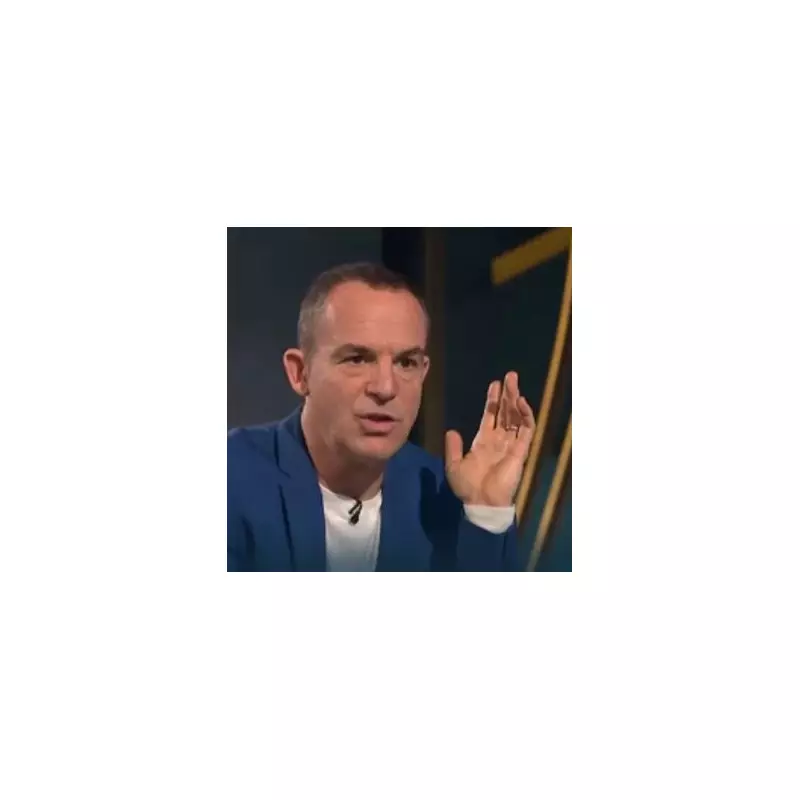
Consumer champion Martin Lewis has issued an urgent warning to millions of Britons about a fast-approaching HM Revenue and Customs (HMRC) deadline, highlighting a specific £10,000 savings threshold that could catch many people out.
Urgent Call to Action on Self-Assessment
In a video posted on social media platform X, the founder of MoneySavingExpert.com stressed that the deadline for filing the self-assessment tax return is 31 January 2026. He revealed that HMRC data shows nearly 5.65 million people have yet to complete their forms, urging them to "get your skates on."
Lewis explained that missing the deadline triggers an automatic £100 penalty. More significantly, he warned of a 7.75% interest charge that immediately begins accruing on any unpaid tax from 1 February. His crucial advice is that even if you cannot complete the form in time, you should estimate what you owe and make a payment. "Have a rough guess of what you owe and pay that," he said, "because that would reduce any interest you needed to pay for late payment of your tax."

Who Needs to File a Tax Return?
The financial expert clarified the key groups of people who are obligated to complete a self-assessment form for the 2024/25 tax year (6 April 2024 to 5 April 2025).
The primary categories include:
- Anyone specifically instructed by HMRC to file a return, which is common for higher-rate (40%) and additional-rate (45%) taxpayers.
- Self-employed individuals who earned more than £1,000 in the tax year.
- Parents receiving Child Benefit where one partner had an annual income exceeding £60,000.
- Anyone who received more than £10,000 in savings interest or investment dividends during the tax year.
The Critical Savings and Investments Threshold
A point of particular importance, which Lewis highlighted, is the rule concerning savings and investment income. Many people may not realise they have crossed the threshold for declaring this income. If your total income from savings interest or dividends surpassed £10,000 in the last financial year, you are legally required to declare it via a self-assessment form.
Lewis was unequivocal in his instructions for those who have received a form from the tax authority: "If you’ve been sent a self-assessment tax form to do it, you have to do it, even if you don’t think you have to, you have to do it." Failure to act now could result in a costly combination of fines and mounting interest charges.