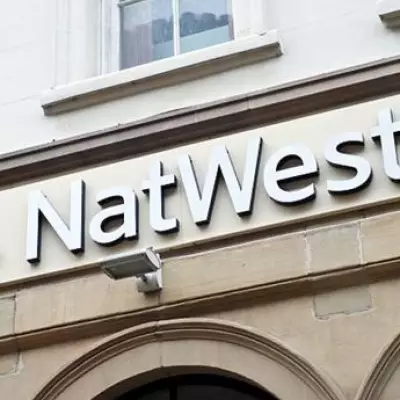
Major high street bank NatWest has confirmed it will close 37 branches across the United Kingdom, with the vast majority of these closures scheduled for the end of June 2026. The bank has released a full list of affected locations, detailing specific closure dates for 34 branches, while three others remain pending confirmation based on the establishment of banking hubs.
Banking Hubs to Mitigate Impact
In response to the branch closures, NatWest has announced that banking hubs will replace the majority of the shuttered locations. These hubs are designed to allow customers who rely on in-person banking services to continue accessing essential financial support. This move aims to address concerns over the reduction of physical banking facilities in local communities.
NatWest stated, "We've recently announced that we're closing some branches. You can still bank with us in many other ways. Banking has changed dramatically in recent years." The bank highlighted a significant shift towards mobile and online services, which offer faster and more convenient banking options for many customers.

Support for Affected Customers
The bank emphasized its commitment to supporting customers through this transition. "We understand the closure of your local branch will bring some changes, and we want to make sure you are fully informed and supported every step of the way," a spokesperson added. This assurance comes amid growing reliance on digital banking platforms, which have seen increased demand in recent years.
Full List of NatWest Branch Closures
The closures are spread across several months, with the following dates confirmed:
May 2026
- Ashford (Middlesex): 12/5/2026
- Barnet: 11/5/2026
- Brentwood: 13/5/2026
- Cheetham Hill: 12/5/2026
- Chorlton-cum-Hardy: 20/5/2026
- Eastcote: 11/5/2026
- Harlow: 21/5/2026
- Hartlepool: 14/5/2026
- Hornchurch: 21/5/2026
- Hove: 19/5/2026
- Loughton: 18/5/2026
- Orpington: 27/5/2026
- Portishead: 12/05/2026
- Tooting: 18/5/2026
- Waltham Cross: 28/5/2026
June 2026
- Aldershot: 2/6/2026
- Boston: 11/6/2026
- Fulham Broadway: 18/6/2026
- Grays: 15/6/2026
- Halifax: 18/6/2026
- Hemel Hempstead: 1/6/2026
- Kirkby Lonsdale: 10/6/2026
- Liverpool Street Station: 17/6/2026
- Palmers Green, London: 1/6/2026
- Pontefract: 4/6/2026
- Sheffield - Attercliffe: 8/6/2026
- South Shields: 9/6/2026
- Southall: 4/6/2026
- Welwyn Garden City: 3/6/2026
August 2026
- Evesham: 25/8/2026
September 2026
- Regent Street, London: 30/9/2026
February 2027
- Godalming: 23/2/2027 unless a banking hub is set up earlier
- Herne Bay: 24/2/2027
- Sydenham: 23/2/2027 or later if a banking hub is still to be found
Date to Be Confirmed
- Ashby-de-la-Zouch: To be confirmed after a banking hub is found
- Launceston: To be confirmed after a banking hub is found
- Torquay: To be confirmed after a banking hub is found
This extensive closure list reflects a broader trend in the banking industry, as financial institutions adapt to changing consumer behaviors and technological advancements. The introduction of banking hubs is seen as a critical step in maintaining access to in-person services for those who need them, ensuring that communities are not left without essential financial support.