Taxpayer Forced to Borrow After £11,000 HMRC Refund Delay
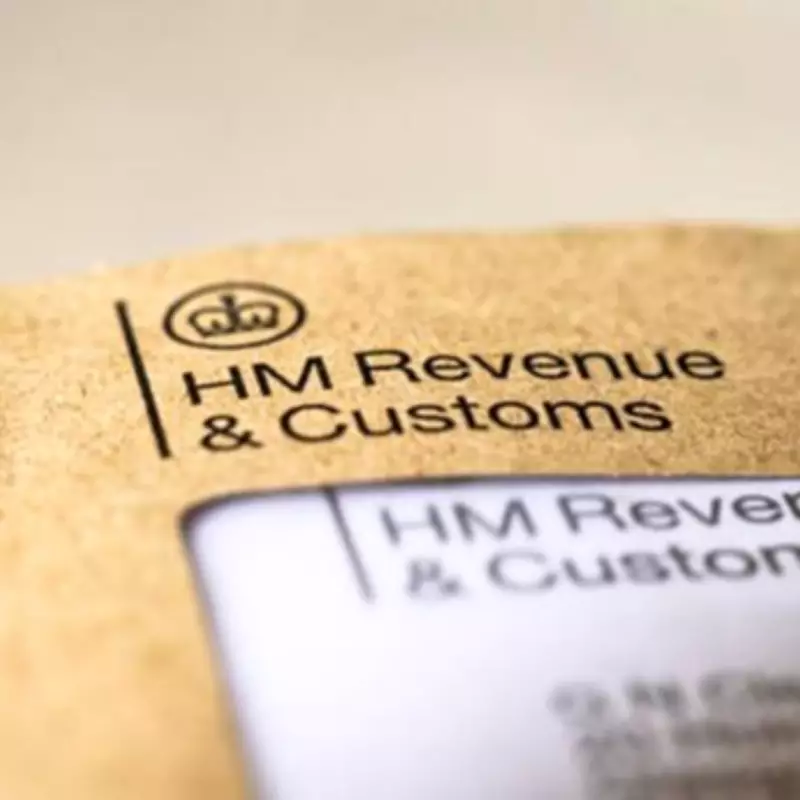
A taxpayer from London has been left in financial distress after overpaying £11,000 in tax and enduring a ten-month wait for a refund from HM Revenue and Customs (HMRC). The individual, identified as Raoul, had to borrow money on his credit card to cover his children's school and university fees during the prolonged delay.
Background of the Overpayment
Raoul was unemployed for nearly a year between May 2024 and April 2025. Prior to this period, he earned a high salary and paid the top income tax rate of 45 percent. However, during his job search, his income dropped significantly to just a few thousand pounds from consulting work. This discrepancy meant that much of the tax he paid in the early months of the 2024-25 tax year was eligible for a refund.
Refund Application and Delays
As soon as the tax year ended in April 2025, Raoul completed a self-assessment return, which calculated he was due a refund of almost £12,000. He immediately applied for the refund online but received no response from HMRC. Despite multiple attempts to follow up through online applications and phone calls, the refund remained stalled.

"I had to borrow money on my credit card to tide me over until I started my new full-time job later in the year and would like to clear that debt," Raoul told the Times, expressing frustration over the lack of communication from the tax office.
Broader Issues with HMRC Refunds
This case highlights a wider problem, as an investigation by Guardian Money has found that some people are waiting a year or more for HMRC to refund overpaid tax and national insurance contributions (NICs). Refunds that previously took only a few weeks to process are now taking up to 10 months or longer in some instances.
HMRC has since responded, stating, "We apologise and can confirm we’ve now refunded what he was owed, having conducted additional checks to ensure he received the right amount." However, this resolution came only after significant financial strain was placed on the taxpayer.
Impact on Financial Stability
The delay in refunds has serious consequences for individuals like Raoul, who rely on these funds for essential expenses. The need to borrow money to cover education costs underscores the potential for such delays to exacerbate financial hardship, particularly during periods of unemployment or reduced income.
This incident raises questions about HMRC's processing efficiency and communication with taxpayers, especially in cases involving substantial overpayments. It serves as a cautionary tale for others who may find themselves in similar situations, urging them to monitor their tax affairs closely and prepare for potential delays.