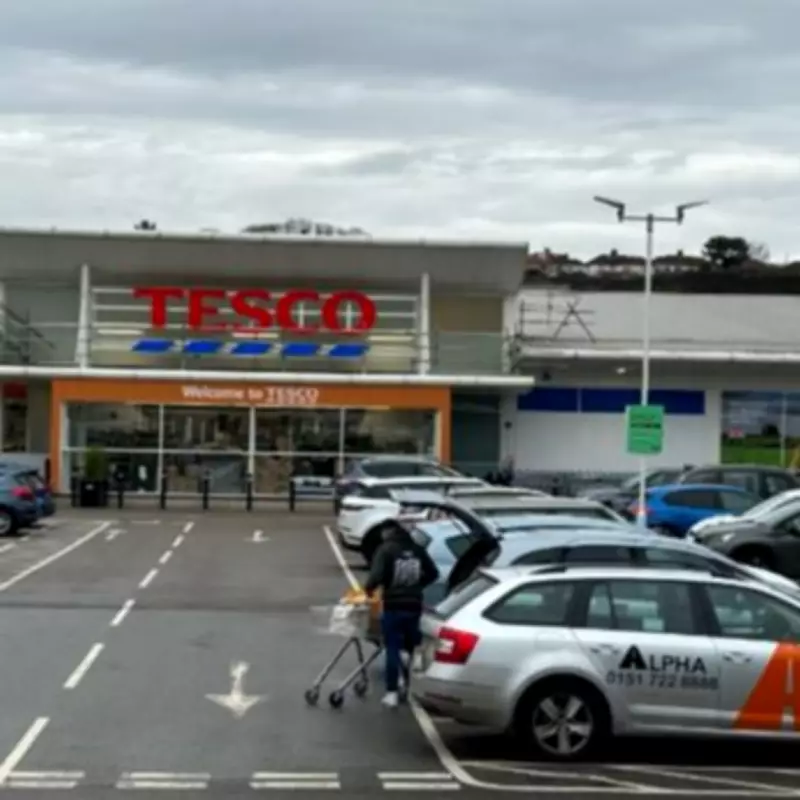
Tesco shoppers across the UK are noticing unexpected £120 charges appearing on their bank statements following visits to the supermarket's petrol stations. This issue has sparked confusion among drivers who use the Pay at Pump service, a convenient option for refuelling without entering the kiosk.
Understanding the Pay at Pump System
Tesco implements specific rules for fuel purchases at its forecourts. Customers can choose to pay at the kiosk or utilise the Pay at Pump feature. According to Tesco's official website, the Pay at Pump service allows a maximum fuel purchase of £120, whereas kiosk payments have no spending limit.
The supermarket giant accepts all contactless payment cards for transactions up to £100 at kiosks, but contactless is not available at Pay at Pump stations. Instead, all UK-registered chip and pin cards are accepted at Pay at Pump, with the exception of Visa Electron cards.

Why £120 Charges Appear
The £120 charges seen on bank statements are not the final amount billed but rather a temporary pre-authorisation hold. Tesco applies this hold to verify that customers have sufficient funds in their accounts before dispensing fuel. This is a standard practice in the industry to prevent fraud and ensure payment.
Tesco explains that if a customer's account balance is below £120, the card issuer should respond with a lower authorised amount, which will be displayed on the fuel pump screen as the maximum fill-up value. However, some card issuers may not support partial authorisations below £120, in which case Tesco advises trying another payment card.
Accepted Payment Methods
At kiosks, Tesco accepts various fuel cards, including fuelGenie, UK Fuels, and Keyfuels (purple card only), as well as Allstar cards. For Pay at Pump, only chip and pin cards are permitted, excluding Visa Electron.
Potential Issues and Solutions
Tesco acknowledges that on rare occasions, card issuers might not update account balances in real-time, leading to temporary discrepancies. The company reassures customers that they are only charged for the actual fuel purchased, not the pre-authorisation amount.
If concerns arise about these charges, Tesco recommends contacting your bank for further details and clarification. This step can help resolve any misunderstandings related to the pre-authorisation process.
Industry Context
Tesco operates in a competitive market, rivalled by other major supermarkets such as Sainsbury's, Morrisons, Asda, Aldi, and Lidl. Similar pre-authorisation practices may be used by these competitors, though specific policies can vary.
Understanding these fuel payment systems can help shoppers avoid surprises on their bank statements and ensure a smoother refuelling experience at Tesco and other petrol stations.