New data reveals that two pubs are closing every day in the UK, with approximately 2,400 establishments shutting down in the first quarter of the year. This wave of closures has been attributed to increased taxes and rising costs, leading to significant job losses in the sector.
Industry Response
Emma McClarkin, chief executive of the British Beer and Pub Association (BBPA), stated: "The scale of these closures is avoidable because pubs are doing a brisk trade, but their profits are wiped out by a disproportionate tax burden and huge costs. For too many, the sheer weight of taxes and regulatory costs have forced them to shut up shop, which will only hurt communities, workers, and the wider economy." She emphasized that the government's business rates relief was necessary and provided welcome support.
The UK Spirits Alliance, representing hundreds of distillers, is urging the Labour government to conduct a "proper review" of excise duty. Neema Rai, spokeswoman for the group and co-founder of Tamesis Dock and the Battersea Barge, said: "Pubs have been hit hard in recent years and we've just been hit by yet another excise duty hike. Spirits offer higher profit margins and help keep us afloat, yet we have the highest rate of excise duty in the G7. The Government needs to carry out a proper review of excise duty if it's serious about supporting hospitality because we're fighting for our very survival."

Regional Breakdown of Pub Closures
- East of England: 16 closures, leaving 3,682 pubs
- West Midlands: 11 closures, leaving 3,910 pubs
- South West: 13 closures, leaving 4,582 pubs
- North West: 18 closures, leaving 5,145 pubs
- Yorkshire and The Humber: 10 closures, leaving 4,235 pubs
- South East: 26 closures, leaving 5,643 pubs
- London: 17 closures, leaving 3,432 pubs
- North East: 2 closures, leaving 1,926 pubs
- East Midlands: 10 closures, leaving 3,579 pubs
- Wales: 3 pubs gained, now 2,901 pubs
- Scotland: 41 closures, leaving 4,188 pubs
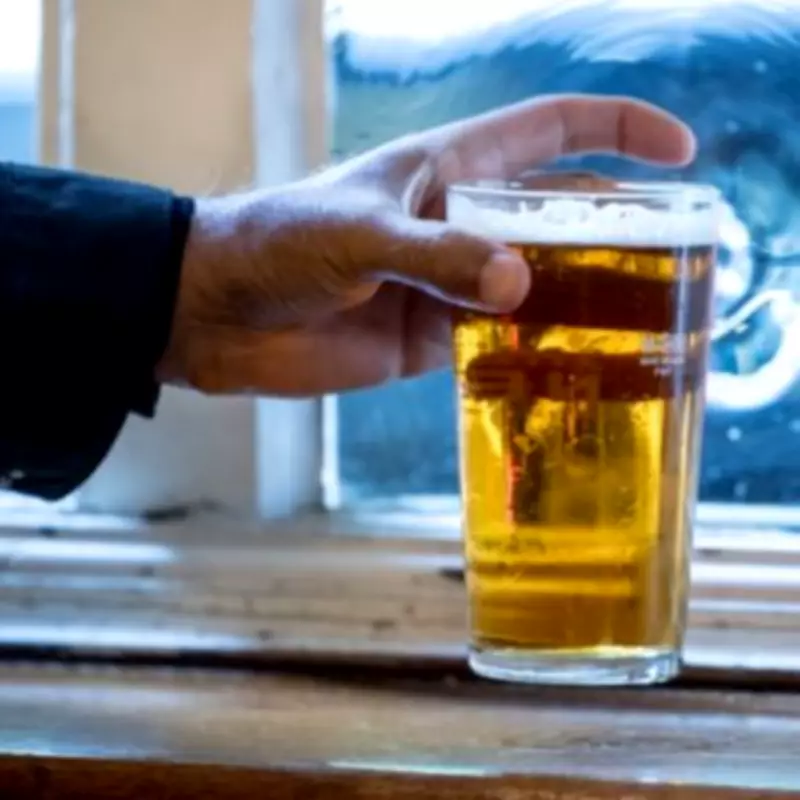
The closures come as the average price of a pint has reached an eye-watering £10, further straining household budgets and consumer spending.