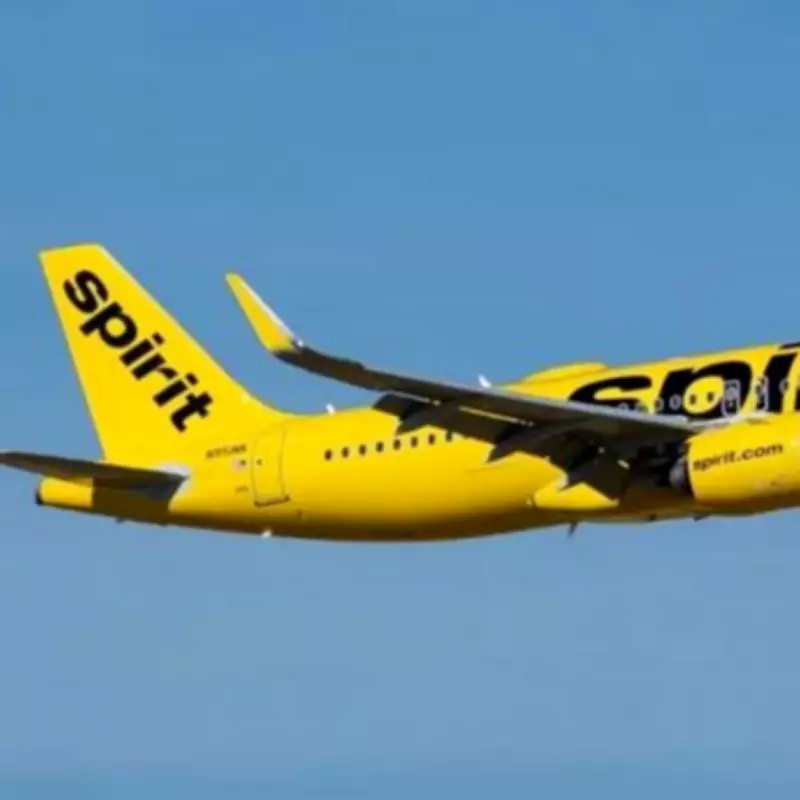
Spirit Airlines, the ultra-low-cost carrier known for its irreverent ads and deep discount fares, has announced it is going out of business after 34 years. The airline, which once operated hundreds of daily flights on its bright yellow planes and employed approximately 17,000 people, stated that it has started an orderly wind-down of operations, effective immediately.
All Flights Canceled and Customer Service Ceased
The airline confirmed on its website that all flights have been canceled and customer service is no longer available. The company advised customers that they can expect refunds, but there will be no assistance in booking travel on other airlines.
In a statement, Spirit said: “We are proud of the impact of our ultra-low-cost model on the industry over the last 34 years and had hoped to serve our guests for many years to come.”

Government Bailout Fails to Materialize
The shutdown was widely anticipated after Friday passed without a needed government bailout for the cash-strapped business. President Donald Trump revealed on Friday that his administration had presented the budget carrier with a “final proposal” for a taxpayer-funded takeover to prevent its collapse, but no deal was reached.
Mr. Trump had floated the idea of a bailout last week after the airline entered bankruptcy proceedings for the second time in less than two years, with jet fuel prices soaring due to the Iran war.
Spirit lawyer Marshall Huebner noted that about 17,000 jobs could be affected by the shutdown.
Financial Struggles Since the Pandemic
Spirit has faced financial difficulties since the Covid-19 pandemic, burdened by rising operating costs and growing debt. By the time it filed for Chapter 11 protection in November 2024, the airline had lost more than 2.5 billion dollars since the start of 2020.
The budget carrier sought bankruptcy protection again in August 2025, reporting 8.1 billion dollars in debts and 8.6 billion dollars in assets, according to court filings.
Impact on Travelers and Employees
Supporters of a rescue, including labor unions representing Spirit’s pilots, flight attendants, and ramp workers, warned that the collapse would put thousands of Americans out of work and harm consumers by reducing airline competition and increasing airfares.
Budget-conscious and leisure travelers are expected to feel Spirit’s absence the most, especially in markets where the airline had a significant presence, such as Las Vegas and the Florida cities of Fort Lauderdale and Orlando.
According to aviation analytics firm Cirium, the carrier flew about 1.7 million domestic passengers in February, roughly half a million fewer than during the same month a year earlier. Spirit has also sharply reduced its capacity, with about half as many seats available this month compared to May 2024.