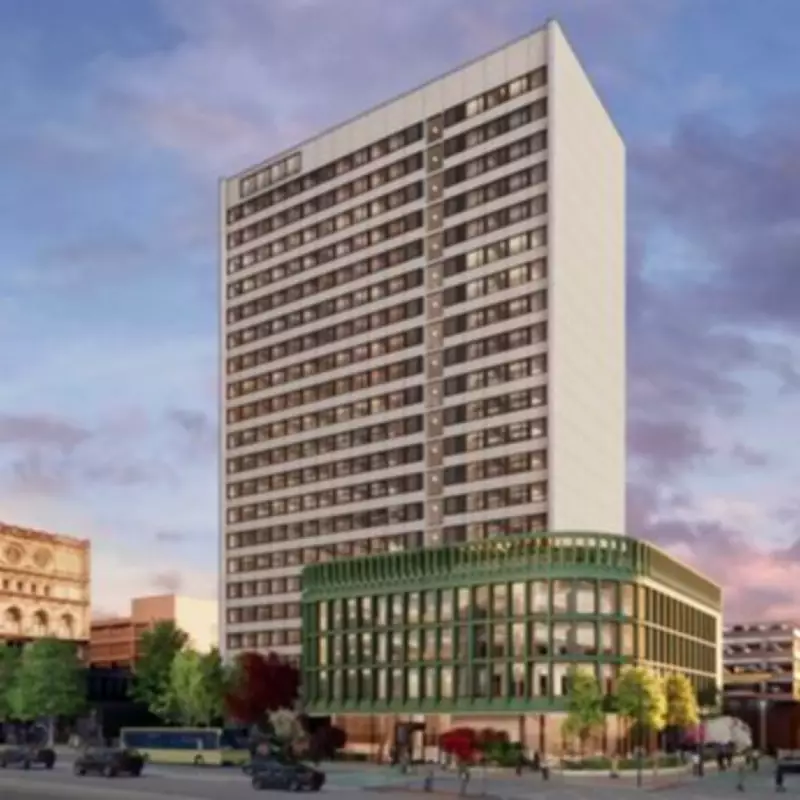
One of Manchester's original 1960s skyscrapers is poised for a dramatic £17 million transformation, described by its owners as a "statement of intent" for the city's evolving commercial landscape. The Manchester One building on Portland Street, which first opened as St Andrew's House in 1962, will undergo a comprehensive revamp that includes a striking four-storey extension and significant sustainability improvements.
A Landmark Building's New Chapter
The 21-storey tower, standing at 77 metres tall, was part of Manchester's original wave of skyscrapers that reshaped the city's skyline during the 1960s. When it first opened, it stood alongside contemporaries like the CIS Tower, which emerged as Britain's tallest building at 118 metres high on the opposite side of the city centre. Today, Manchester One houses diverse tenants including Gaydio radio station and the Polish consulate, alongside numerous businesses that continue to operate from the building.
Ambitious Redevelopment Plans
Property developer Bruntwood SciTech has submitted detailed planning applications for what they describe as a "best-in-class" transformation of the iconic structure. The centrepiece of the £17 million investment will be a four-storey extension at street level, featuring a distinctive green-clad exterior that will serve as the building's main reception area.

This new addition will boast a double-height ceiling and incorporate a publicly accessible cafe, creating an inviting ground-floor experience. The original tower's facades will receive a complete refresh, while internal reconfigurations will add approximately 30,000 square feet of additional space across both the existing building and new extension.
Sustainability and Wellbeing Focus
Matthew Morten, director at Bruntwood SciTech, emphasised the comprehensive nature of the redevelopment: "These proposals represent our commitment to ensuring it remains both sustainable and inspiring. We're reimagining this building with our customers at the heart of every decision."
The transformation aims to create workspace that supports modern business needs through:
- Dedicated wellness facilities to promote work-life balance
- Flexible workspace configurations
- Enhanced collaborative environments
- Sustainable building operations
- Community-focused ground floor spaces
Strategic Investment in Manchester's Future
Morten further explained the strategic importance of the project: "Manchester remains integral to our vision, and sustained investment here and across our cities is central to our growth strategy. This £17 million investment is a clear statement of intent about the building's importance to both our portfolio and to Manchester."
The developers have indicated they hope to commence construction work this summer, with the transformed building scheduled to reopen in early 2028. The planning application, submitted in early February, represents one of the most significant commercial property investments in Manchester's city centre in recent years.
This ambitious project seeks to preserve Manchester One's architectural heritage while equipping it for the demands of 21st century business, creating what developers describe as "a place that continues to support not just work, but wellbeing, collaboration, sustainability and community."