Supermarket giant Sainsbury's has launched an investigation after its own-brand milk was replaced on shelves by a rival's product due to a significant supplier error.
How the Supermarket Mix-Up Happened
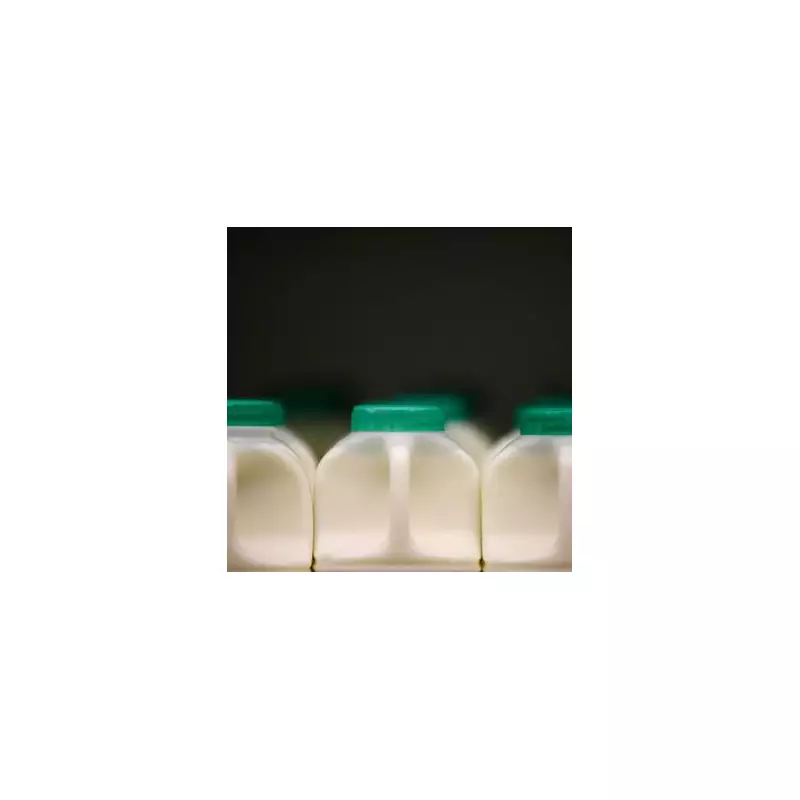
According to a report in The Sun, staff at a Sainsbury's store in Canley, Coventry, wheeled out trolleys containing Tesco-branded 'Fresher for Longer' milk and placed them on the shelves for sale. The blunder, which occurred over the weekend, was a result of mistakes made by both warehouse and shop staff.
One alert shopper using a hand scanner spotted the error and immediately notified a member of staff. "They could not get them off the shelf quickly enough," the customer said online.

Sainsbury's Response and Past Rivalry
A Sainsbury's spokesperson told The Sun: "They were quickly removed and returned to the supplier. We’re working with them to understand what happened and apologise for any confusion this may have caused."
This is not the first time such a mix-up has occurred between the two retail rivals. In a similar incident back in 2012 in Ely, Cambridgeshire, Sainsbury's products were found on Tesco shelves. At the time, Tesco quipped: "It’s good to see Sainsbury’s has got great taste in milk."
Sainsbury's Broader Fight Against Food Waste
The incident comes as Sainsbury's continues its high-profile efforts to reduce food waste, particularly concerning milk. In 2023, the retailer made a major change by swapping use-by dates for best-before dates across its entire own-brand milk range.
This move, which made Sainsbury's the biggest UK retailer to adopt this policy, affects 44 products including all fresh and organic milk sold in England, Scotland, and Wales. It applies to over 730 million pints of milk Sainsbury's sells annually.
The decision was driven by research from WRAP, which shows milk is the third most wasted food in the UK, with more than 490 million pints thrown away each year, often because it has passed its use-by date.
Ruth Cranston, Director of Corporate Responsibility & Sustainability at Sainsbury’s, explained the rationale at the time: "Around a third of all food produced for human consumption is lost or wasted. Combatting food waste is one of our top priorities... By switching to best-before dates on our milk we are empowering customers to make their own decisions on whether their food is good to eat, helping to prevent them from disposing of food too early."