Historic Friends Institute Closes, Leaving Community in Turmoil
The Friends Institute community centre in Sparkbrook has officially closed its doors this week, resulting in profound heartbreak among local residents, dedicated volunteers, and workers. This closure marks a significant loss for the area, as the centre has long served as a vital hub for leisure, education, and recreation.
A Legacy of Community Service
Constructed in 1897 by Richard Cadbury, a member of the renowned chocolate family, the Friends Institute was originally designed as a Quaker meeting house. Over the decades, it evolved into a cornerstone of the Sparkbrook community, hosting a diverse range of activities. In the early 1980s, Birmingham City Council took over the building with the explicit understanding that it would be used for community benefit.
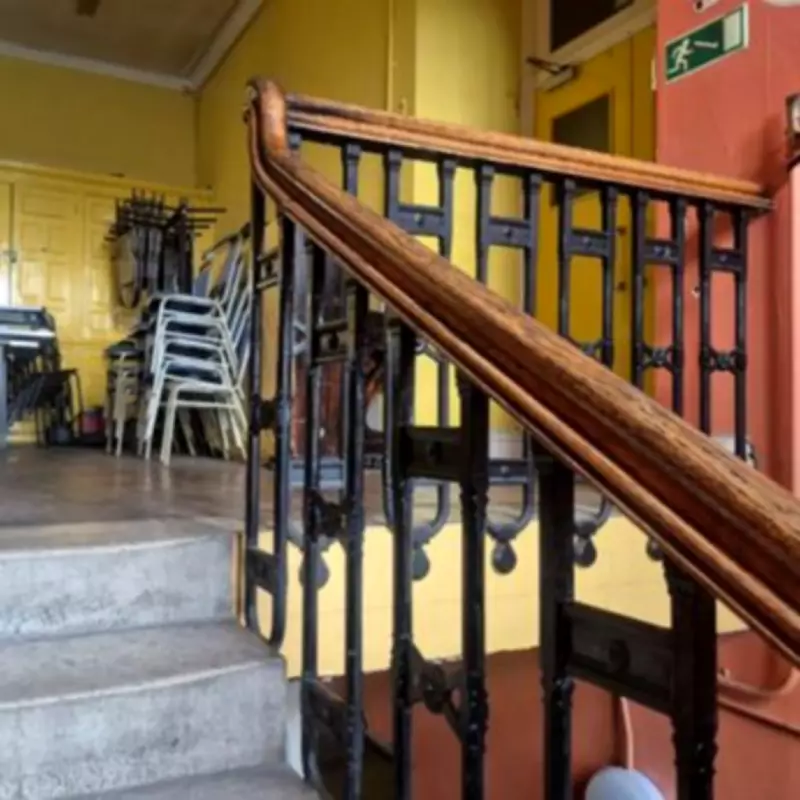
Groups utilized the space for mental health support, music therapy, art workshops, and poetry sessions, fostering a sense of belonging and creativity. The building's cultural importance was formally recognized in 2014 when it was listed, though it has since been placed on the 'at risk register' due to ongoing concerns about its condition.

Health and Safety Concerns Prompt Closure
Birmingham City Council cited 'health and safety' issues as the primary reason for the closure, though specific details have not been fully disclosed. This decision has left many in the community worried about the loss of essential services and the building's uncertain future. The council has stated that no definitive plans have been made regarding the site's next steps, adding to the anxiety among stakeholders.
Rich Historical Significance
The Friends Institute boasts a storied history that intertwines with both local and national narratives. Notably, it is believed that the gymnasium served as a training venue for the British Olympic Teams in 1936. Additionally, as the home of the Dolobran Athletic Club, it hosted the first international athletics match between England, Ireland, and Scotland in 1900.
Architecturally, the building was designed by the prominent local practice of Ewan and James Harper, who also created the Methodist Central Hall on Corporation Street in Birmingham city centre. This heritage adds to the emotional weight of its closure, as residents fear the potential loss of a historic landmark.
Community Reactions and Future Prospects
In the wake of the closure, there is a palpable mix of hurt and worry among those who relied on the Friends Institute. Volunteers and participants in various programs express deep sadness over the sudden end to their activities. However, a faint glimmer of hope persists, with some community members advocating for preservation and potential reopening under improved conditions.
As Birmingham City Council deliberates on the building's fate, the community remains vigilant, hoping for a resolution that honors the centre's legacy while addressing safety concerns. The closure underscores broader challenges in maintaining heritage sites amidst modern urban pressures.