Major Police Operation in Chamberlain Square
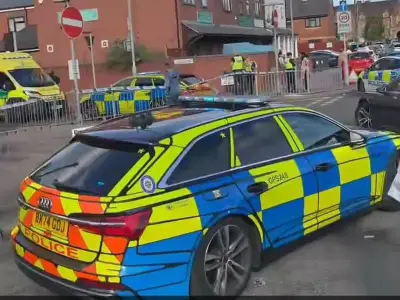
West Midlands Police have arrested twenty-five individuals during a protest in Birmingham city centre. The demonstration, organised by the group Defend Our Juries, took place in Chamberlain Square and was one of several held across the UK throughout November.
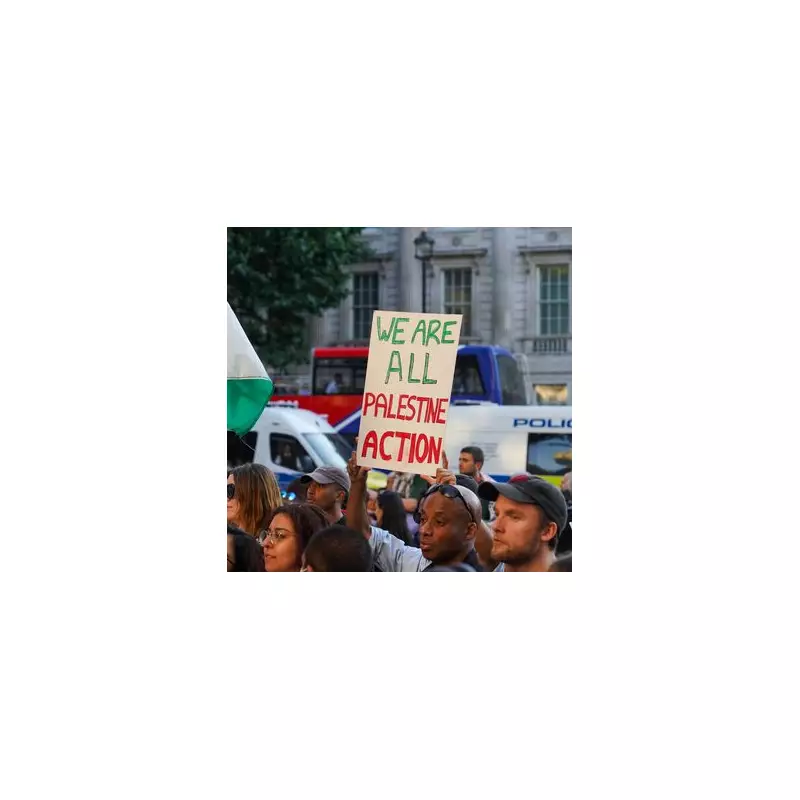
The arrests were made because a number of protesters were carrying placards that expressed support for Palestine Action. This organisation was officially designated as a proscribed terrorist group by the UK Government in July of this year.
Legal Grounds for the Arrests
All those detained were taken into custody under Section 13 of the Terrorism Act 2000. This specific legislation makes it a criminal offence to be a member of, or to express support for, a proscribed organisation.

Chief Inspector James Littlehales of West Midlands Police addressed the situation. He stated that the force fully recognises the public's right to demonstrate peacefully, acknowledging that many people protest in support of Palestine without breaking the law. He emphasised, however, that the police "will take appropriate action" where the law is breached by showing support for banned organisations.
Background and Wider Context
The government's decision to ban Palestine Action followed a serious security incident. The group was proscribed after activists breached RAF Brize Norton and spray-painted two military aircraft. Ministers justified the ban by stating that a series of actions by the group had caused millions of pounds in damage.
The protest in Birmingham was part of a wider movement, with the Defend Our Juries group organising similar events in 18 UK cities and towns. These coordinated protests aim to support the lifting of the ban on Palestine Action.
The future of the proscription is now facing a legal challenge. Lawyers for Palestine Action are currently seeking to overturn the ban through a judicial review at the High Court. In their arguments, lawyers for the group's co-founder have suggested that historical movements, such as the suffragettes, might have faced similar bans under the current legislation.