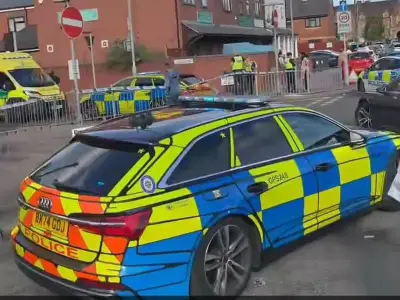
Dutch police have for the first time publicly disclosed the precise intelligence they provided to West Midlands Police concerning the behaviour of Maccabi Tel Aviv supporters in Amsterdam, a disclosure that sits at the heart of the controversial decision to ban away fans from a recent match at Villa Park.
The Intelligence That Sparked a Ban
The revelation comes amidst intense political pressure, with West Midlands Chief Constable Craig Guildford and Police and Crime Commissioner Simon Foster summoned to appear before a cross-party committee of MPs to justify the move. The intelligence, shared during a video call in the first week of October, detailed a fraught visit by the Israeli club's supporters to Amsterdam in November 2024.
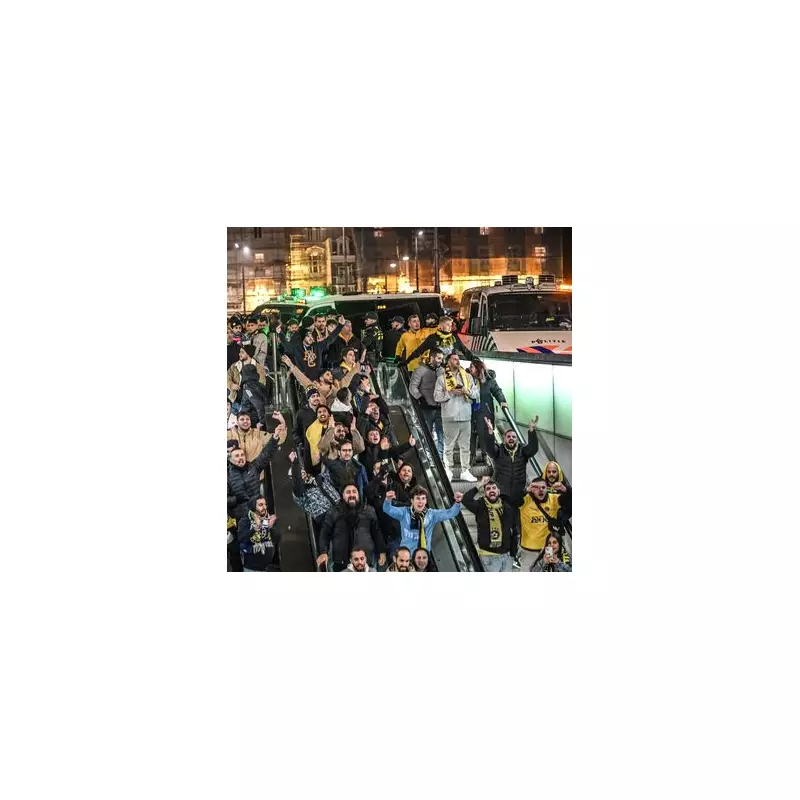
According to the Amsterdam police statement, among the 2,500 Maccabi fans present in the city on November 6 and 7, was a core group of 500-800 'ultras' described as organised, self-confident, and seemingly willing to fight. The statement paints a picture of a city struggling to contain running battles and provocations between these fans and pro-Palestine activists.

A Night of Violence and Retaliation
The Dutch force provided specific accounts of the disorder. In the early hours of November 7, a group of about 50 Maccabi supporters were reported to have removed a Palestinian flag from a building, harassed people, and used their belts to attack taxis. Scooter riders were also reportedly assaulted with padlocks.
The situation escalated after the match. Around midnight, Maccabi rioters gathered at Central Station and moved towards the city centre, arming themselves with metal rods and stones. Simultaneously, a new threat emerged: small groups of pro-Palestinian rioters began actively hunting for individuals they perceived as Israeli, Jewish, or Maccabi supporters.
The police noted this led to several dozen violent 'flash' attacks across the city centre, with perpetrators using scooters and taxis for rapid movement, making police intervention difficult. The force concluded that fear among Jewish residents and Israeli tourists remained high for some time after.
Political Fallout and Unanswered Questions
The decision by West Midlands Police to recommend a ban to the Villa Safety Advisory Group based on this intelligence has been met with significant backlash. Prime Minister Keir Starmer condemned the ban as 'wrong' and suggested it had antisemitic overtones. MPs have alleged the risks were 'exaggerated' in the subsequent report to justify the prohibition.
This allegation gained traction when the Dutch force's head of communications, Sebastiaan Meijer, stated that parts of the West Midlands Police version of events were 'unrecognised', characterising the fan involvement as 'getting into fights but not a lot and not in a very alarming way'.
Despite the controversy, West Midlands Police have reaffirmed their position that the ban was justified based on the intelligence they received. The publication of the Amsterdam statement in full is an attempt to clarify the exact details provided and to prevent further misinterpretation. The force has been asked to confirm if this version aligns with their understanding and to clarify what additional intelligence, if any, informed their final recommendation.
We await the formal response from West Midlands Police as this significant saga continues to unfold.