Birmingham Political Leaders Pressured Over Mass Flagging Operations
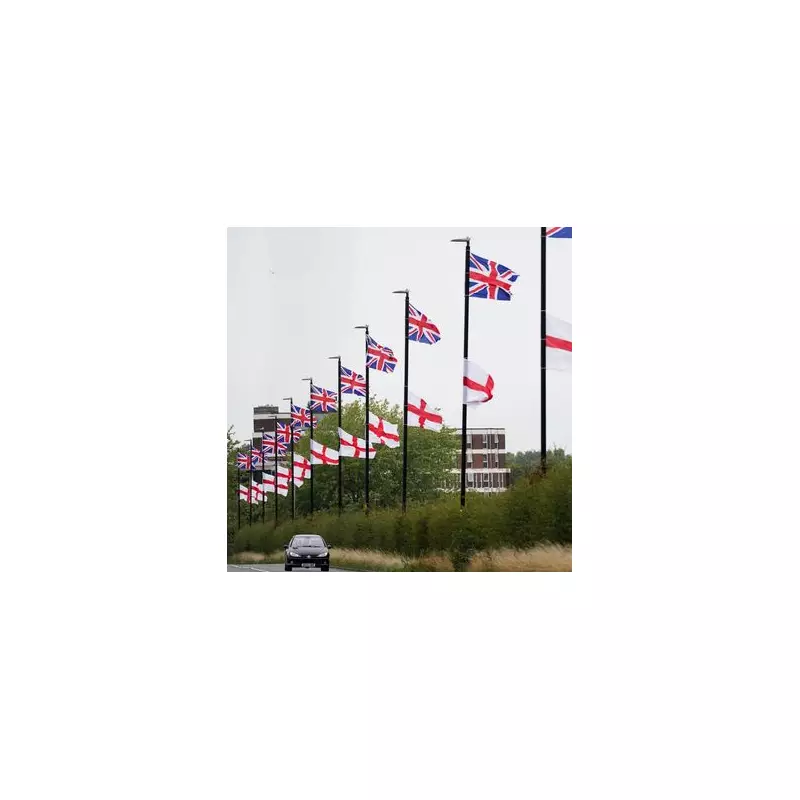
Political leaders in Birmingham are facing urgent calls to confront activists behind extensive flagging operations across the city, amid growing community anger and safety concerns. More than a thousand residents have now signed a petition demanding council action, as Union Jack and St George Cross flags continue to appear on street lights and roadsides throughout Birmingham and surrounding areas.
Petition Presented Amid Rising Tensions
The petition was formally presented to Birmingham City Council's political leader, Councillor John Cotton, during a council meeting on Tuesday, January 27. Community safety chief Councillor Jamie Tennant faced questioning about why the council wasn't taking stronger measures against those leading what has become the largest local flagging operation.
Concerns have been amplified by reported links between flagging organisers and vigilante activities in northern France, alongside protests outside hotels housing asylum seekers in the West Midlands region. Councillor Tennant acknowledged sharing these concerns but emphasised the council's legal limitations, stating they were removing flags that posed safety hazards while encouraging residents to report intimidation to police.

The Groups Behind the Flagging Campaign
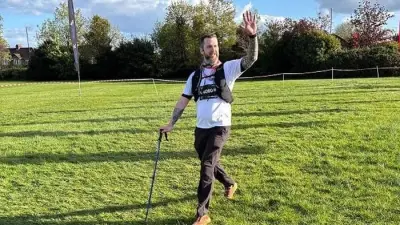
The primary operation, called Raise the Colours, is led by Ryan Bridge and Elliott Stanley from Bromsgrove. They began targeting communities in south Birmingham last summer, following similar activities by local group Weoley Warriors. Beyond their Birmingham operations, both individuals have participated in vigilante activities in northern France, where they have livestreamed confrontations with migrants and charity workers.
French authorities recently banned ten individuals from entering the country due to harassment concerns, a move the pair described as "absolutely disgraceful". They also regularly appear at protests outside asylum seeker hotels in Sutton Coldfield and Oldbury.
Community Response and Council Reaction
John Cooper of the Brummies United campaign highlighted that many residents no longer view the flags as innocent displays of national pride. "Raise the Colours are just laughing at the city, they think they are untouchable", he stated during the council meeting, noting that objectors have faced intimidation.
Councillor Tennant responded by acknowledging residents' concerns about Birmingham's reputation as an open, diverse city. He confirmed the council would soon publish a refreshed strategy reaffirming Birmingham's City of Sanctuary pledge, while prioritising flag removal in areas with clear safety risks and significant community impact.
Political Divisions and Holocaust Memorial Day Significance
The petition presentation coincided with Holocaust Memorial Day, adding symbolic weight to the proceedings. Dr Birgit Kehrer from Brummies United emphasised this timing, stating "as we handed in our petition asking for the removal of divisive flags in Birmingham, we remember how hate has deadly consequences".
Political responses have varied significantly, with West Midlands Mayor Richard Parker previously describing widespread flag displays as "uplifting all of us", while Local Conservatives group leader Robert Alden criticised council resources being used for flag removal. The petition itself was submitted by Liberal Democrat Councillor Izzy Knowles, supported by Labour and Green party colleagues.
Ongoing Community Impact
Residents continue to express concerns that the flagging operations threaten Birmingham's diverse and welcoming identity. Many petition signers included heartfelt messages about their love for the city's diversity and fears about changing community dynamics. With reported increases in racially motivated incidents, questions persist about whether Birmingham can maintain its reputation as a tolerant, inclusive city while these flagging operations continue unchecked.

The council maintains it is acting within legal boundaries, while community groups demand more decisive action, citing examples from Medway, Bristol and Derby councils that have removed thousands of flags. As the debate continues, Birmingham faces fundamental questions about community safety, political responsibility, and maintaining social cohesion in a diverse urban environment.