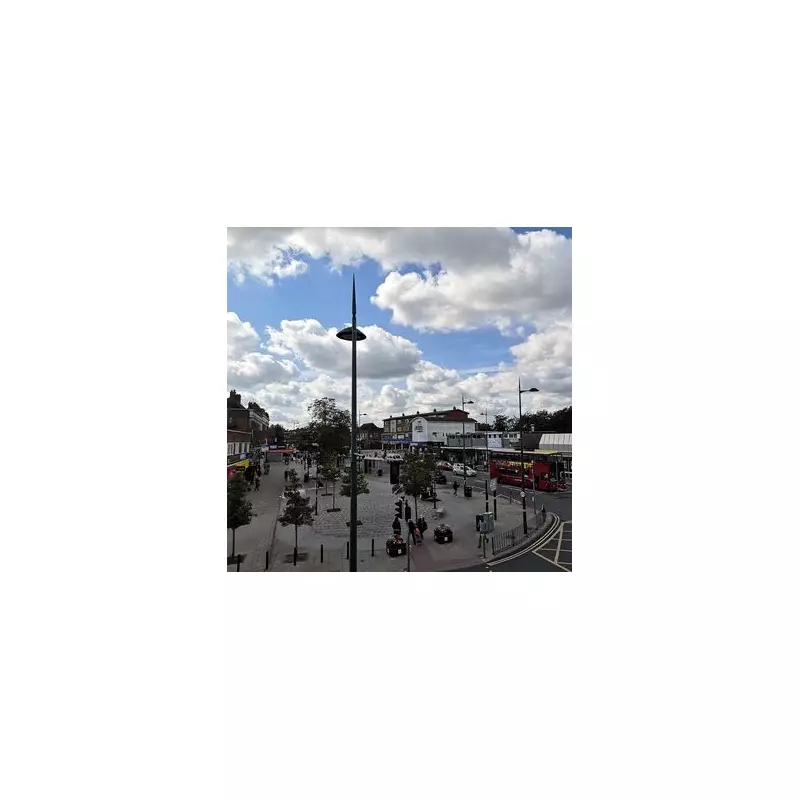
A Birmingham Member of Parliament has raised serious concerns in the House of Commons about the damaging clustering of betting shops and off-licences on a suburban high street.
'Revolving Door' Fuelling Antisocial Problems
Northfield MP Laurence Turner described a troubling pattern on Northfield High Street, where a succession of small betting shops operate immediately next to outlets selling cheap alcohol. He argued this creates a virtual "revolving door" between the premises, where individuals can move easily from gambling to purchasing high-strength, low-cost beers and ciders.
Speaking in Parliament on 18 January 2026, Mr Turner stated this proximity is a major contributor to yobbish conduct and antisocial problems plaguing the local area. He called for urgent measures to address the issue.

Call for Local Powers and Tax Changes
The Labour MP explicitly called for new powers to be granted to local authorities, or for adjustments to the tax system, to remedy the situation. His focus is on restricting the sale of particular super-strength drinks in close proximity to gambling venues.
"Something needs to be done about the sale of particular high-strength drinks on our high streets in proximity to betting shops," Mr Turner told MPs. He emphasised that while there is nothing inherently wrong with having a drink or a flutter, the combination and easy access presented a specific problem.
Specific Outlets Named on the High Street
The high street in question is home to several well-known betting brands, which Mr Turner identified. These include:
- William Hill
- Betfred
- Admiral
These establishments sit alongside off-licences, creating the cluster effect the MP criticised. Following his parliamentary speech, Mr Turner reiterated his stance on social media, strengthening his call for local councils to be given more control over licensing and sales in such hotspots.
The MP's intervention highlights growing scrutiny of the environmental factors on British high streets that can exacerbate social issues, with a clear demand for policy tools to enable communities to shape their local retail landscape more effectively.