Millions of UK drivers, particularly young motorists, are facing a growing threat that could see them hit with a £2,000 charge and prosecution. A sharp rise in a crime known as 'ghost broking' is creating an epidemic of uninsured drivers on British roads.
What is Ghost Broking?
Ghost brokers are fraudsters who sell completely worthless car insurance policies, primarily targeting their victims on social media platforms. They use enticing offers to lure in drivers, promising massive discounts of up to 70 per cent and guaranteeing cover at rock-bottom prices that seem too good to be true.
New data reveals that the rate of this scam among young drivers has jumped by four per cent in the last year alone. Even more alarming, it has surged by a staggering 22 per cent over the past two years.

The Devastating Financial Impact
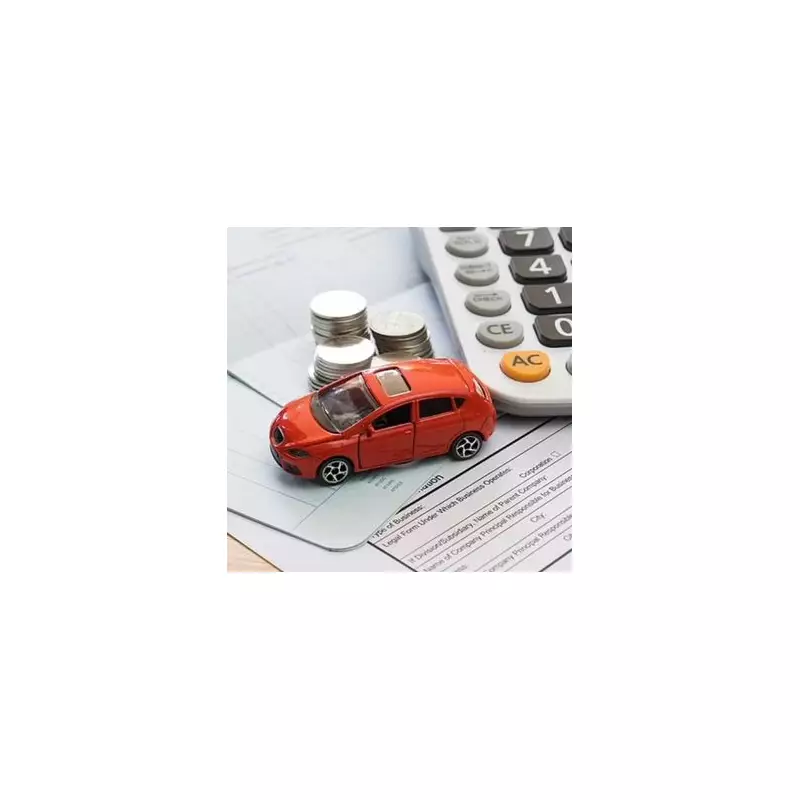
For motorists aged between 17 and 25, the financial fallout is severe. Victims are losing around £2,000 on average when they purchase these fake policies. This colossal sum is typically made up of an average premium of £1,700 paid to the criminal, plus around £300 in extra fees.
Owen Morris, CEO of UK Personal Lines at Aviva, stated: "Ghost broking is a fast-growing criminal enterprise that targets young drivers on social media sites. These fraudsters exploit social media to sell worthless insurance, leaving victims thousands of pounds out of pocket, driving without insurance, and at risk of prosecution."
A Call for Action and Awareness
The scale of the problem is escalating rapidly. The insurer LV= has reported that the number of ghost brokers it has uncovered has jumped by two thirds over the past two years. The company currently has 20 open organised fraud inquiries related to this crime, totalling an estimated £2 million.
Mr Morris added: "The scale of the problem is concerning - and it's getting worse. We're calling for tougher enforcement, stronger penalties, and greater awareness of ghost broking to protect young drivers." He concluded with a simple message for young drivers: "Before buying insurance on social media, always check the seller is genuine before you pay."
Even when a driver has been duped, the consequences extend beyond their own finances. Insurers are still legally obligated to pay for a third party’s damaged vehicle if an accident occurs, even if the at-fault driver provided false insurance details.