Police Drones Permanently Installed at Villa Park and Molineux in UK First
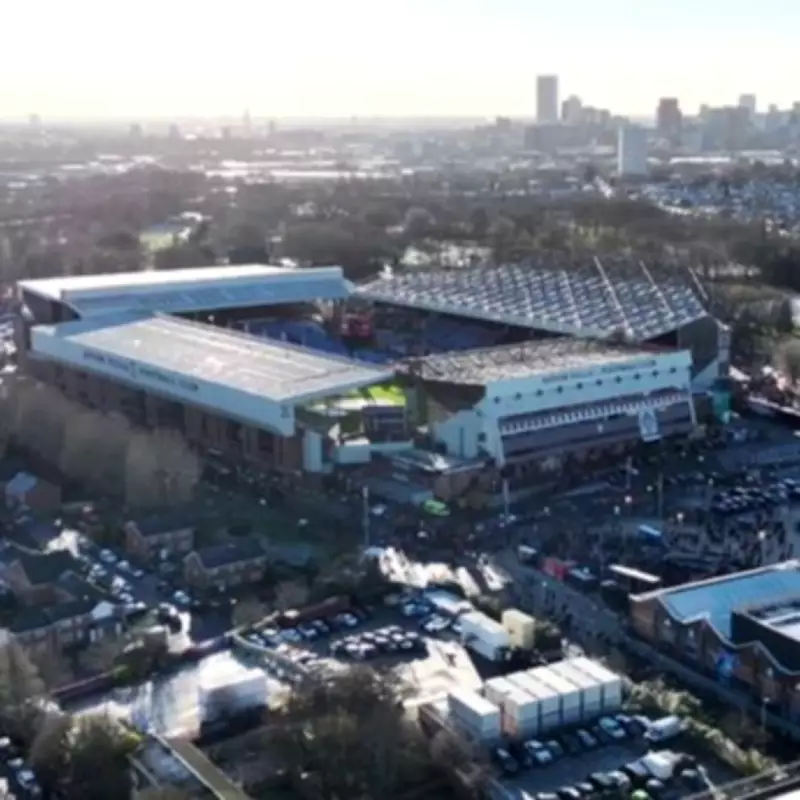
In a groundbreaking move for public safety and football security, West Midlands Police has announced the permanent installation of police drones at two Premier League stadiums. This initiative marks a UK first, with drone hubs now operational at Aston Villa's Villa Park and Wolverhampton Wanderers' Molineux ground.
Remote Operation and Live Footage
The drones are housed in weather-proof hubs at the stadiums and can be operated remotely by experienced police pilots from control rooms many miles away. Using satellite internet technology, live footage of crowds arriving and departing from matches is beamed directly into club control rooms. This real-time video feed allows police officers and club officials to monitor crowd movements and respond swiftly to any issues, such as congestion or safety concerns.
Partnership and Testing
This project is a collaboration between West Midlands Police, the Premier League, Aston Villa, Wolverhampton Wanderers, and the National Police Chiefs Council. Test flights were conducted in January using existing drones and new satellite equipment during Aston Villa's game against Nottingham Forest and Wolves' match with West Ham. The successful tests demonstrated the system's effectiveness, leading to the permanent installation of the drone hubs.

Beyond Matchday Safety
While the primary focus is on enhancing fan safety during football matches, the drones have a broader application. They can be deployed as first responders to various emergency incidents across the West Midlands region. This includes:
- Searches for missing or wanted persons
- Providing real-time views of serious collisions before officers arrive on scene
- Detecting and dealing with illegal drones flying around Premier League grounds
- Supporting other major events, such as concerts, to ensure community safety
Assistant Chief Constable Matt Welsted, who is leading the project for West Midlands Police, emphasized the innovative nature of this technology. "This is a truly ground-breaking use of technology which will have a real impact on fan safety at football matches, and wider public safety in the West Midlands," he said. "We're incredibly excited about how we're working with partners to innovate and make the region safer for everyone."
Club Perspectives
Sye Roberts, Aston Villa's VP of Security and Matchday Safety, welcomed the installation, noting that the drones have already proven valuable. "They allow us to monitor the wider area around the stadium more effectively, and we've already seen positive results, including the detection and prevention of unauthorised drone flights," he stated. The club is exploring expanding this technology to support other events.
Steve Sutton, Wolves' facilities, safety and security director, highlighted the partnership's focus on supporter safety. "The introduction of West Midlands Police operated drones at Molineux will give us a clearer, real time picture of crowd movement and the surrounding area, helping us and the police to make more informed decisions on matchdays," he explained.
Privacy and Future Implications
Police clarified that live facial recognition is not part of this pilot project. However, as with any images captured by officers—whether from drones, body-worn video, or other sources—still images can be taken and compared to national databases when there is a legitimate policing purpose. This ensures a balance between security and privacy concerns.
Mark Roberts QPM, Chief Constable of Cheshire Constabulary and the National Police Chiefs Council's lead for football policing, praised the initiative. "It's great to see this partnership between Policing and the Premier League coming to fruition," he said. "As well as helping keep supporters safe at Villa and Wolves, there will be wider benefits for public safety and lessons we can learn for policing in general."
This pioneering project sets a new standard for stadium security and emergency response, leveraging advanced drone technology to protect fans and the wider community in the West Midlands.