Dog owners across England and Wales are being urged to familiarise themselves with a set of crucial regulations that govern canine conduct in public spaces. Ignorance is not a defence, and breaches can lead to immediate financial penalties or even court prosecution.
The Six Key Rules Under Public Spaces Protection Orders
Local authorities enforce regulations known as Public Spaces Protection Orders (PSPOs), which were previously called Dog Control Orders (DCOs). Where these orders are active, owners must comply with specific requirements, which can include the following six key rules as outlined by the UK Government:
Firstly, you must put your dog on a lead if instructed to do so by a police officer, police community support officer, or a council official.

Secondly, you are required to stop your dog from entering prohibited areas, such as specific sections of a park or farmland.
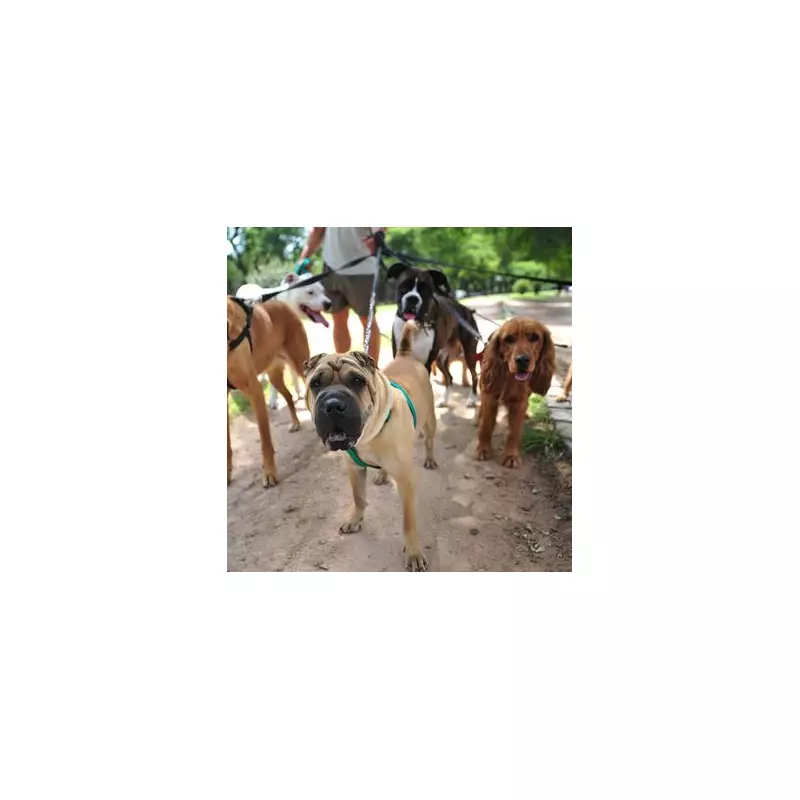
Thirdly, there may be a limit on the number of dogs you can walk at one time. This rule also applies to professional dog walkers.
Fourthly, you must always clear up after your dog.
Fifthly, you are obliged to carry a poop scoop and disposable bags when out with your pet.
Finally, you may be required to keep your dog on a lead in designated zones.
Penalties and Legal Responsibilities for Owners
Failing to adhere to these PSPO rules can result in an on-the-spot fine of £100. If the matter is escalated to court, the penalty can soar to a maximum of £1,000. Councils are legally required to inform the public where PSPOs are in force, typically through clear signage in areas like parks and via notices on their official websites.
Beyond PSPOs, all dog owners face severe legal consequences if their pet is deemed 'dangerously out of control' in any location, public or private. This law applies to all breeds.
Government guidance states that owners of a dangerously out-of-control dog risk an unlimited fine, a prison sentence of up to six months, or both. They may also be banned from future dog ownership, and the dog could be destroyed.
The penalties escalate dramatically if injury or death occurs. Allowing a dog to injure a person can lead to five years in prison, while using a dog to deliberately injure someone may result in a charge of malicious wounding. If a dog kills someone, the owner could face up to 14 years in prison. Injuring an assistance dog, like a guide dog, carries a potential three-year prison sentence.
Which Dog Breeds Are Completely Banned in the UK?
In addition to control orders, it is illegal to own, sell, breed, or abandon certain types of dog in the United Kingdom. The banned breeds are:
- Pit Bull Terrier
- Japanese Tosa
- Dogo Argentino
- Fila Brasileiro
XL Bully dogs are also entirely banned in England and Wales. In very specific circumstances, an owner might obtain a Certificate of Exemption for a banned breed, but this is subject to strict criteria.
Dog owners are advised to check their local council's website for detailed information on PSPOs in their area and to ensure they understand their full responsibilities under the law.