A major Midlands city has been identified as one of England's worst areas for drink-driving offences, according to a new analysis of penalty points.
Stoke-on-Trent's High-Ranking Offence Rate
The data, compiled by MoneySuperMarket, reveals that residents in Stoke-on-Trent hold some of the highest numbers of penalty points on their licences for alcohol-related motoring offences. The Staffordshire city secured eighth place on the national list, with local drivers averaging 1.86 points linked to drink-driving.
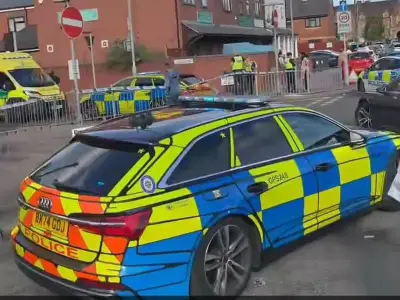
This high ranking suggests a potential issue with drink-driving behaviour within the city. However, analysts also note it could indicate that Staffordshire Police is particularly vigilant in detecting and prosecuting such offences. Much like speeding enforcement, catching drink-drivers can resemble a "postcode lottery," often dependent on local police resources and patrol frequency on the roads.

National Picture and Impending Law Change
Topping the list as England's drink-driving capital is Luton, where drivers average a staggering 3.31 penalty points. Carlisle, Torquay, and Norwich also featured prominently among the worst-performing areas.
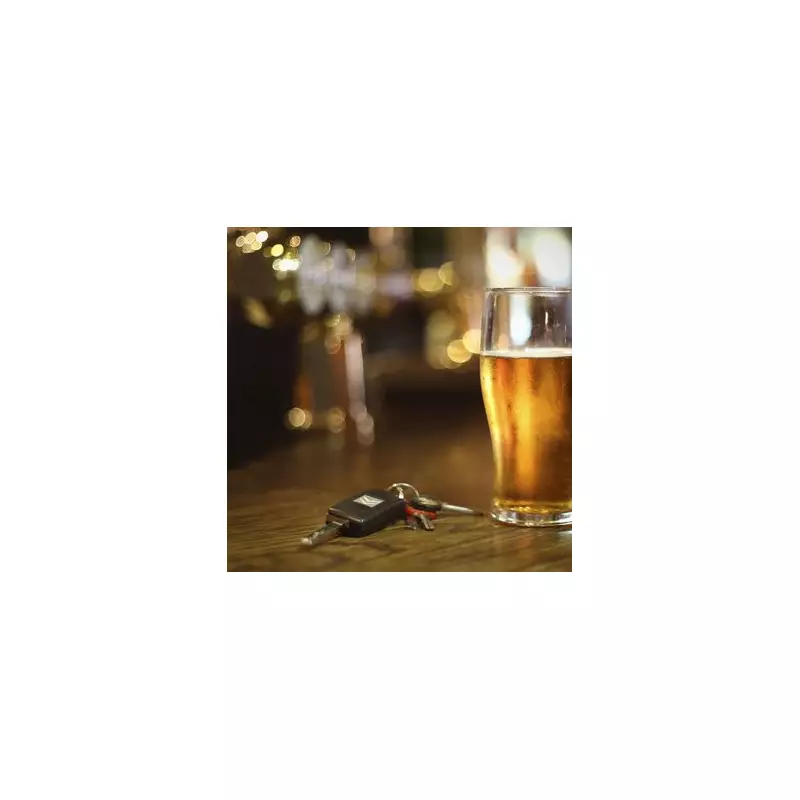
This analysis comes at a critical time, with the Government set to reduce the drink-drive limit in England next year. The legal threshold will be cut from 35 micrograms of alcohol per 100 millilitres of breath to just 22 micrograms. This change forms a key part of the government's broader road safety strategy aimed at reducing alcohol-related accidents.
Financial and Safety Warnings from Experts
Alicia Hempsted, a car insurance expert at MoneySuperMarket, issued a stern warning to drivers. She stated that the proposed lower limit should act as a clear reminder that even small amounts of alcohol can impair a driver's judgement and reaction times.
"If you’re heading out, consider alternative transport options such as taxis or designated drivers," Hempsted advised. "Choosing not to drive after a drink is a matter of safety and not just about staying within the law."
She highlighted the severe long-term consequences of a conviction, which extend far beyond legal penalties. A drink-driving offence is viewed by insurers as high-risk, leading to substantially increased premiums. In some cases, providers may refuse cover altogether, creating significant financial hardship for the offender.
The message from road safety and insurance professionals is unequivocal: with stricter laws on the horizon, the risks of driving after consuming any alcohol have never been greater, both for personal safety and financial well-being.