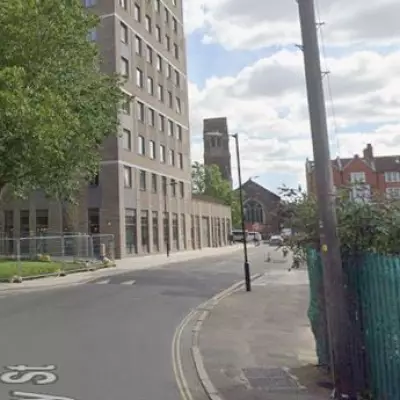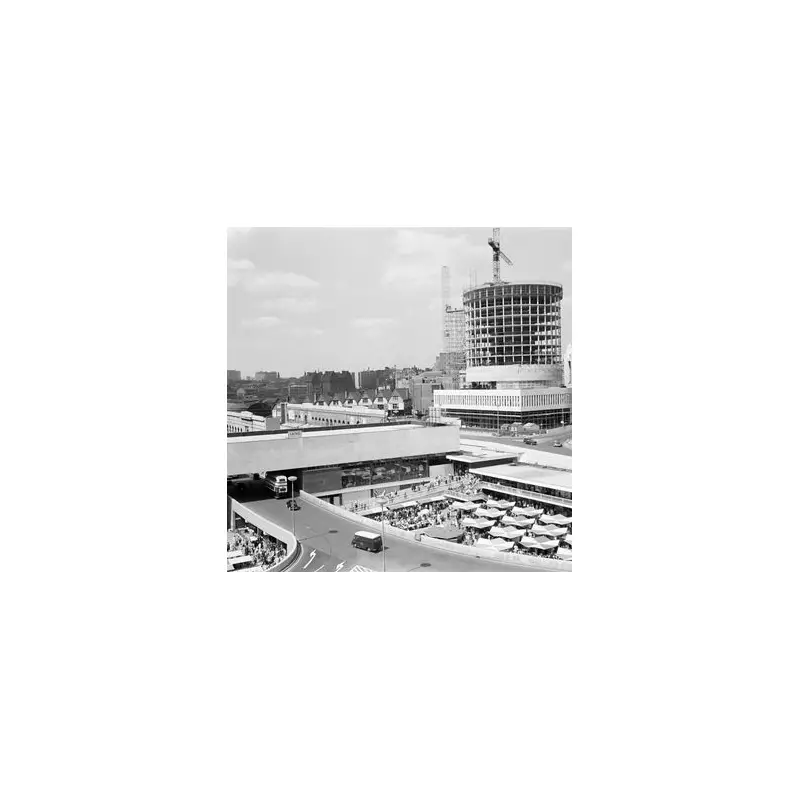
A remarkable collection of photographs has surfaced, offering a poignant glimpse into how the West Midlands looked over six decades ago, in the year 1963. The images capture a region on the cusp of immense change, preserving streets, buildings, and everyday scenes that would soon be lost to comprehensive redevelopment programmes.
A Region Frozen in Time
The black-and-white pictures document a landscape that is, in many parts, now unrecognisable. They show a bustling Birmingham city centre dominated by Victorian and Edwardian architecture, with trams and classic cars navigating streets that would later be swallowed by the Inner Ring Road and new shopping precincts. The photographs serve as a powerful visual archive of a pre-bullring, pre-concrete cityscape, where communities lived in tightly packed terraced houses that were later cleared for high-rise flats and new road systems.
The year 1963 itself was a significant one, falling just before the publication of the influential Buchanan Report, 'Traffic in Towns', which would heavily shape urban planning thinking. Many of the areas photographed were living on borrowed time, slated for demolition under ambitious post-war reconstruction plans aimed at creating a 'motor city' fit for the modern age.

Lost Landmarks and Everyday Life
Beyond the grand civic buildings, the photos capture the essence of daily life. They show shoppers on old shopping parades, children playing in streets free from today's traffic volumes, and industrial sites that were the backbone of the region's economy. Iconic factories and workshops, some now long gone, stand proud, emitting plumes of smoke that speak to a different era of environmental norms.
The collection isn't limited to Birmingham alone. Images from across the wider West Midlands county reveal market towns and communities that retained a more distinct character before later expansion and amalgamation. These snapshots provide invaluable context for understanding the scale of transformation that occurred throughout the 1960s and 1970s. They show not just buildings, but a way of life centred on local high streets and dense, neighbourhood-focused communities.
A Legacy of Transformation
Viewing these images today prompts reflection on the costs and benefits of the urban renewal that followed. While the redevelopment addressed slum conditions and tried to cope with the explosion of private car ownership, it also erased swathes of architectural heritage and disrupted long-established social networks. The photographs allow newer generations to visually comprehend what was sacrificed in the name of progress and modernity.
For older residents, the gallery is a powerful trip down memory lane, sparking recollections of forgotten shops, pubs, and cinemas. It acts as a crucial historical record, ensuring that the visual identity of the pre-1960s West Midlands is not lost to time. In an era where digital archives are increasingly important, such collections help bridge the gap between the region's past and its ever-evolving present, reminding us that our urban environments are in a constant state of flux, shaped by the decisions and visions of previous generations.