Ormskirk's King's Arms Hotel: A Window into the Past
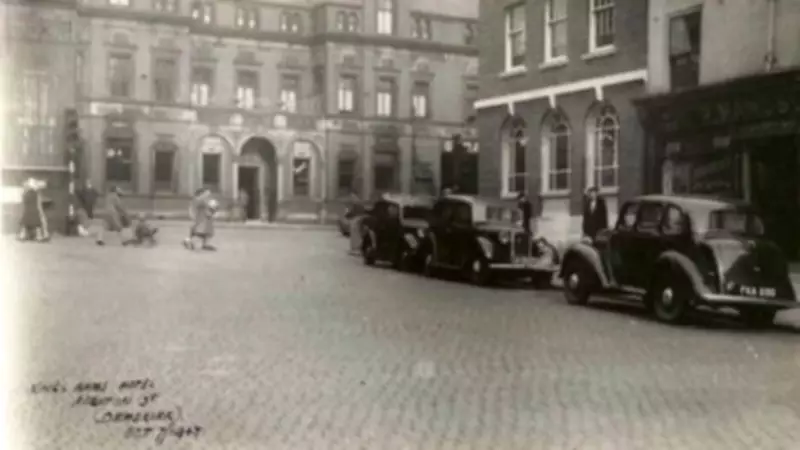
In the 1820s, Ormskirk on a market day would have been a hive of activity. Horse or ox-drawn carts rumbled through the streets, livestock was herded into the Market Place, and townspeople gathered, eagerly awaiting the ring of the Market Bell. At that time, Ormskirk was still a relatively small town, just beginning to reap the benefits of the turnpike road—the vital North-South coaching route linking London to Glasgow.
This turnpike cut directly through the heart of Ormskirk, passing by the large water fountain at the old site of the Market Cross. Amid this bustling scene, the King's Arms Hotel thrived, attracting market traders, visitors seeking lodgings for the night, and locals in search of a hearty hot meal and a strong jug of ale or porter.
The Lives Behind the Hotel
The history of the King's Arms is woven with the stories of ordinary people who called it home. Ann Eaton, for instance, began working as a live-in servant at the hotel in 1772 and remained a loyal employee for three decades until her death at the inn in April 1822, aged just 48. Her life, though undoubtedly hard, provided her with security. Ann never married and left no children, but she did leave a will, paying a solicitor to document her wishes. Despite notices published in newspapers across the region and even in London, no relatives were ever found, leaving her origins a mystery. Yet, she seemed content working for the landlord, Thomas Fazackerley, at the time of her passing.

Thomas Fazackerley held the licence at the King's Arms from around 1824 for about a decade, running the hotel with the help of his spinster sister, Catherine. Their business flourished, catering to a diverse clientele. The availability of several guest rooms made it a convenient overnight stay for trustees of the turnpike road, who travelled from afar for meetings. Additionally, the hotel served as a regular sale room for local auctioneers, boosting bar custom and generating extra income from room and stable hire.
In 1826, Catherine's illegitimate daughter, Elizabeth Fazackerley, married James Bryers, who was born in Rainford. James and Elizabeth took over the hotel when Catherine and Thomas fell ill. Catherine died in 1832 at age 56, and Thomas followed in 1838 at 61. James Bryers also managed a 150-acre farm on St Helens Road, employing nine men, two boys, and one of his sons. He was actively involved in the Ormskirk and Southport Agricultural, Floral and Horticultural Society show from the 1850s, using his field for the annual event and often winning prizes for his poultry entries.
James and Elizabeth successfully ran the hotel until James's death on July 28, 1871, after nearly 40 years of service. Their youngest son, Joseph, briefly took over the licence after his father's death. Joseph had married Theresa Culshaw in 1869 but died in 1877, leaving Theresa to struggle with the business. The hotel closed for renovations in the late 1870s, and Theresa auctioned off its contents, including items like iron French bedsteads, mahogany tables, and ale glasses. She then opened a small wine and spirit off-licence on Wigan Road, marking the end of the old King's Arms under her tenure.
Transformation and Modernisation
Thomas Goode, who had previously been the tenant at the Mona Hotel in Liverpool and the Master of the West Derby Workhouse, took over the King's Arms Hotel and immediately began planning its rebuilding and renovation. He married Alice Ann Dickson in 1865, and they started a family, though tragically losing several children in infancy. By the time they arrived at the King's Arms with their four surviving children, Thomas was eager to modernise the establishment.
He drafted plans to rebuild the exterior and create a contemporary hotel, which were approved by the local board. However, he left to take over the Horseshoe Inn on Southport Road before the project could commence. The land was owned by the 15th Earl of Derby, Edward Henry Stanley.

In 1882, John Gardner Sykes, of Sykes Wine and Spirit Merchants in Liverpool, secured a 99-year lease from the Earl of Derby for the hotel. Sykes reviewed and modified Thomas Goode's original plans with the help of Welsh-born architect Owen Roberts, instructing him to build an ornament to the town. The renovation, costing between £2,000 and £3,000, was completed in 1886.
The new hotel featured a ground floor with a refreshment room, billiard room, and dining room. For hygiene reasons, the kitchen and sculleries were located on the first floor, connected to the dining room by a separate staircase. The first floor also included a second dining room, two sitting rooms, and a smoking room overlooking Moor Street. The second floor housed 12 bedrooms, with bathrooms and WCs on both upper floors.
John Gardner Sykes was a prominent figure, owning numerous hotels, inns, and shops across Northern England and breeding Hackney horses on his estate in Poulton. When he died in 1897 at age 53, his estate was valued at £355,114 and 10 shillings—equivalent to around £28 million today—highlighting the success and legacy of his ventures.
Through these stories, the King's Arms Hotel stands as a testament to Ormskirk's evolution, blending personal narratives with architectural innovation to create a lasting heritage.