Birmingham Street Divided Over Parking Dispute Involving Seven Cars
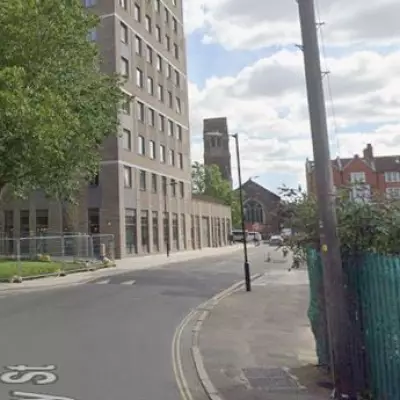
Residents on a Birmingham street have found themselves embroiled in a heated parking dispute, with neighbours claiming that two families with seven cars between them are taking up too much space. The conflict has escalated to the point where some residents are urging the multi-car households to park elsewhere, suggesting a voluntary agreement to limit each household to a maximum of two parking spaces.
Neighbours Voice Frustration Over Limited Parking
According to reports, neighbours have expressed significant frustration, stating that the seven cars owned by the two families make it difficult for others to find parking, especially for those who finish work late or have weekend visitors. One neighbour reportedly knocked on doors to explain that the situation forces some residents to park on another street and walk home, while others sometimes have to temporarily park in the middle of the road to unload shopping before searching for a spot elsewhere.
The suggestion put forward by some neighbours is that each household should agree to use no more than two spaces on the street, with any additional vehicles being parked in a free car park located approximately half a mile away. They also argued that teenagers from the two families, who are still in school, do not need cars, adding to the perceived excess.

Multi-Car Households Defend Their Position
In response, a member of one of the multi-car households questioned whether it would be unreasonable to ignore the request. They explained that they live on a street with unrestricted parking and few driveways, making it challenging to install a driveway due to the narrow road. The resident emphasized that all their cars are used daily and expressed reluctance to have family members, including a teenager, walk half a mile in the dark or light to placate neighbours when parking spaces are available.
The resident acknowledged understanding the annoyance but disagreed with the suggestion, pointing out that some houses on the street have only one car or none at all, which should theoretically balance out the parking situation. They noted that their next-door neighbour had told the messenger that parking is first-come-first-served, highlighting the lack of formal regulations.
Community Reactions and Suggestions
The dispute has sparked a range of opinions from the community, with many weighing in on the issue. One response suggested that while having seven cars seems excessive, the families are not technically doing anything wrong, but urged them to be more considerate. They emphasized the importance of good neighbourly relationships and recommended accepting a two-car agreement as fair, warning that ignoring the request could lead to potential conflicts, such as vandalism.
Another comment called the number of cars ridiculous and unfair to neighbours, urging the families to take social responsibility by parking one car each in the free car park. A similar view stated that seven cars between two households is excessive without private parking, suggesting that parking one car further away is the neighbourly thing to do.
Further reactions included calls for regulations to limit cars on the road, with one person advocating for only one car per household on the street and additional vehicles restricted to driveways. Others expressed sympathy for the neighbours' annoyance but deemed the request insane, while some acknowledged the legal freedom to park as desired but sided with the neighbourhood, criticizing the excessive number of cars without dedicated parking spaces.
This parking dispute highlights broader issues of community harmony and resource allocation in urban areas, as residents navigate the challenges of limited street parking in Birmingham. The situation remains unresolved, with tensions simmering over how to balance individual needs with collective consideration in a densely populated neighbourhood.