West Midlands Housing Crisis: Contaminated Land and Costs Block New Homes
Developers in the West Midlands are confronting significant barriers that are preventing the construction of much-needed homes in the region, according to a recent report. Cleaning up contaminated land and escalating construction costs pose huge challenges to addressing the housing shortage.
Key Barriers to Development
The report, presented to the West Midlands Combined Authority's Overview and Scrutiny Committee, outlines several hurdles developers face in getting projects off the ground. The industrial history of the region has left many derelict and contaminated sites in former industrial centers that require repurposing.
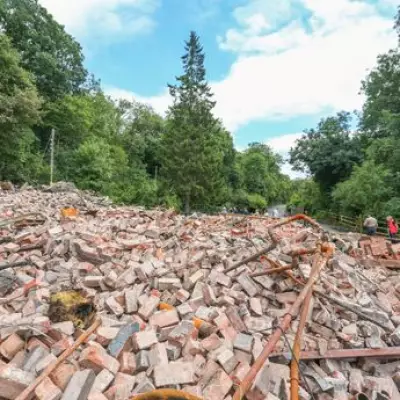
Regeneration of these brownfield sites is difficult due to viability issues and abnormal costs associated with redevelopment. High remediation costs to address contamination, poor ground conditions, and demolition of existing structures, along with the risks involved, are significant blockers.

Economic and Logistical Challenges
In addition to brownfield site remediation, developers are impacted by high construction and build costs resulting from inflation, economic uncertainty, and regulatory changes over the past decade. The increasing cost of materials, a labour and skills shortage, and higher borrowing costs are just a few examples of expenses that can make schemes unviable, especially when combined with extensive remediation requirements.
Fragmented ownership is also common and can lead to further costs due to expensive and time-consuming land assembly needs. In rural areas of the region, challenges include a 'rurality premium' affecting processes, smaller site sizes that exemplify economic viability issues, and additional infrastructure requirements such as establishing utilities.
Impact on Small and Medium Enterprises
The impact of these barriers is often felt more significantly by Small and Medium Enterprises (SMEs), due to limited cash reserves, reduced access to finance, and lower economies of scale compared to larger organizations. Viability challenges can also affect a scheme's ability to deliver the right mix of homes, creating tension for providers under increasing pressure to meet local need and ensure everyone has a place to call home.
Current Housing Need and Response
Latest figures show more than 65,335 households on social housing waiting lists in the region, with 7,450 households, including 14,976 children, currently living in temporary accommodation. Since 2018, around £270 million in grant funding has been allocated to tackle issues like cleaning up brownfield land, unlocking more than 12,000 homes.
The multi-year settlement, effective from April, will provide greater flexibility in determining how funding is spent. WMCA bosses stated that working in partnership with key stakeholders, providing revenue support, and assisting SMEs is helping address barriers to housebuilding in the West Midlands.