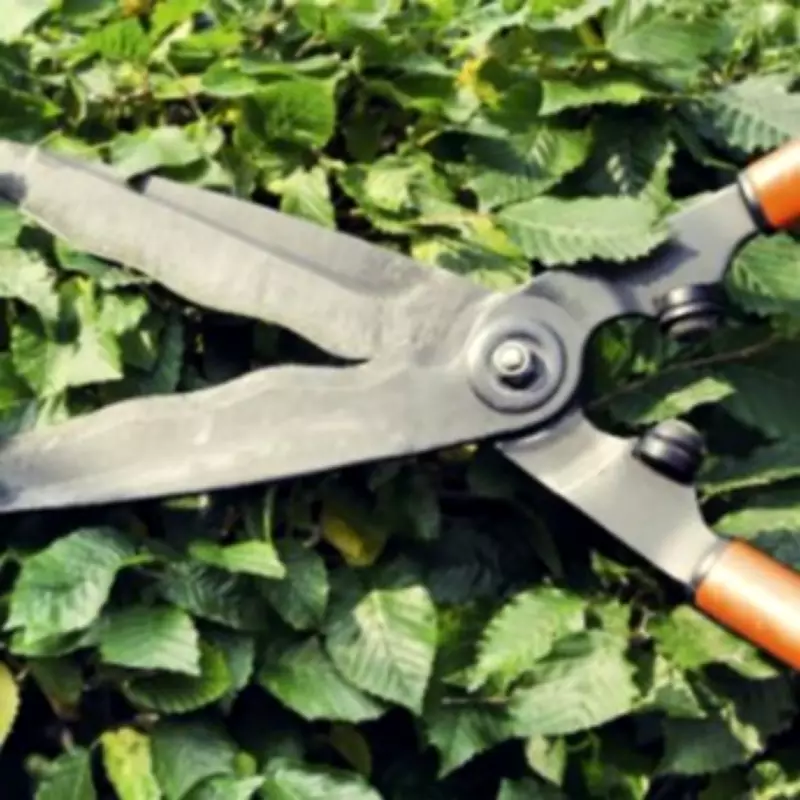
UK Households Receive Spring Warning Over Hedge Trimming Regulations
Local authorities and councils across the United Kingdom have issued important guidance for households venturing into their gardens this spring season. Gardeners are being alerted that trimming hedges or trees during the spring months could potentially lead to legal complications if proper permissions are not obtained beforehand.
Understanding Your Rights and Responsibilities
Kirklees Council has provided clear clarification on the matter, stating: "If a tree or hedge is unprotected, you can prune branches that overhang your land and the roots growing beneath your land. You do not need the owner's permission, but you must not trespass onto their land." The council further emphasizes that "you must offer to return the cut branch wood and any fruit which is attached or has fallen onto your land."
Legal Framework for Garden Maintenance
The Royal Horticultural Society adds important context, explaining that such actions are classified as 'abating a nuisance' which typically does not require permission. However, they note that "only in situations where you need access to their land to undertake the work would permission be required."

Once branches are cut, they should be offered back to the tree owner. If the owner declines them, you become responsible for proper disposal of the prunings. The RHS specifically warns that "you can't simply throw them over the boundary into your neighbour's garden."
Boundary Trees and Shared Ownership
For trees situated on boundary lines, the RHS clarifies that these are owned jointly by both neighbours, classified as tenants in common. The organization states: "If the base of a tree sits on the boundary line between two properties it is jointly owned by both of them."
This shared ownership carries significant implications. "If one owner fells the whole tree without permission from the other owner, that would make them liable (as this amounts to trespass)," explains the RHS. "Consent should also be sought from the other owner before work is undertaken on the tree."
In cases where property boundaries are unclear, the RHS recommends consulting a professional surveyor to assess the exact land ownership situation.
Climbing Plants and Additional Considerations
The guidance extends beyond trees and hedges to include climbing plants. According to the RHS, "a climber or creeper belongs to the owner of the soil it is growing in, not the owner of the building it is growing up."
However, property owners do have some rights regarding these plants. They can remove climbing vegetation from their walls without permission, provided they "do not dig it up or destroy it (either intentionally or unintentionally)."
Regular tree inspection is also highlighted as an important practice that can reduce liability for property owners. This spring guidance serves as a timely reminder for UK households to understand their legal responsibilities before undertaking garden maintenance work that could affect neighbouring properties.