Four Essential February Gardening Tasks to Transform Your Outdoor Space
While your garden may appear dormant during the winter months, February presents a golden opportunity to undertake crucial preparatory work that will yield spectacular results come spring. According to gardening expert Paul Parker from J. Parker, these strategic tasks can dramatically enhance your outdoor area's vitality and floral display.
1. Divide and Multiply Your Perennial Plants
February marks the peak period for snowdrop displays, those delicate nodding blooms that herald spring's imminent arrival. Paul Parker explains: "Although snowdrops will naturalise without intervention, February provides the perfect window to lift and divide these early spring bulbs if you wish to establish them in new garden areas."
Using a trowel or spade, carefully lift established clumps from the soil and gently separate them through their root systems to create multiple individual plants. One section can return to its original position while others can be transplanted to fresh locations. This division technique encourages plants to establish new colonies that will spread naturally, resulting in increasingly abundant blooms in subsequent growing seasons.

2. Prepare Potatoes Through the Chitting Process
Known as 'chitting', this preparatory step is essential for cultivating robust, flavourful potatoes later in the year. Paul clarifies: "For gardening newcomers, chitting simply involves allowing seed potatoes to begin sprouting before outdoor planting. This technique particularly benefits first and second early potato varieties."
The process requires minimal effort: place your seed potatoes in trays or recycled egg boxes and position them in a cool, well-lit location. Avoid dark sheds or garages, as sunlight accelerates the sprouting process, but ensure the area doesn't become excessively warm to prevent shrivelling. For optimal results, begin chitting approximately four to six weeks before your planned planting date, whether in ground beds or grow bags.
3. Relocate Underperforming Shrubs
February's dormant period makes it an ideal month for shrub transplantation. If certain plants have struggled in their current positions, this window allows for strategic relocation without causing significant stress to the vegetation. The expert advises: "Simply dig up the shrub from its roots and transplant it to a more favourable location, ensuring you provide ample water to help establish new root systems."
It's important to note that winter-flowering shrubs should remain undisturbed during their blooming period, but other varieties can benefit significantly from this seasonal repositioning.
4. Prune Climbing Plants for Optimal Growth
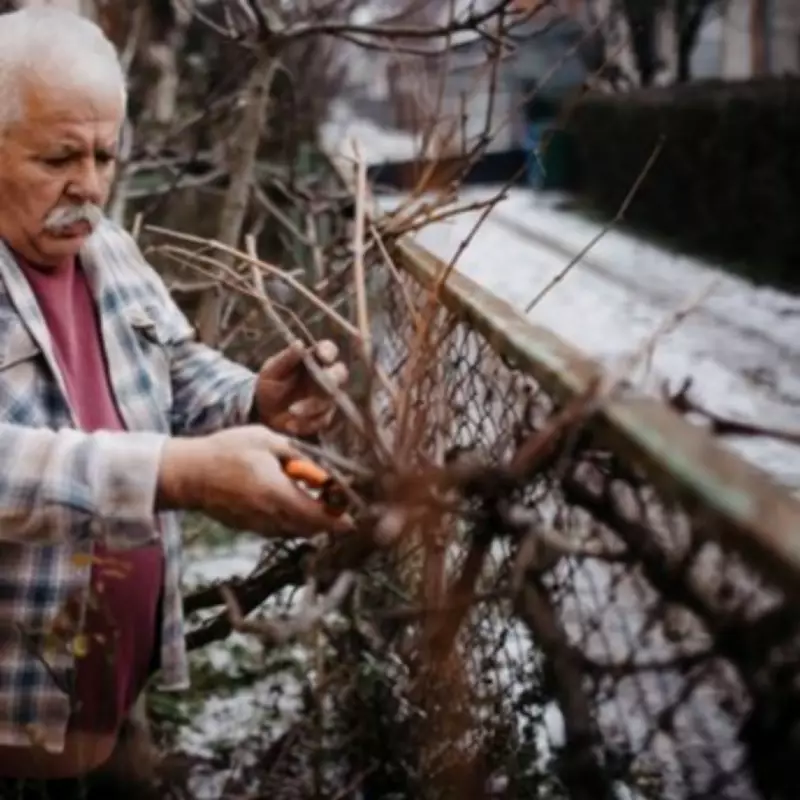
To guarantee a spectacular floral display from climbing plants during spring and summer, February pruning proves essential. Wisteria responds particularly well to winter pruning, requiring attention twice annually: once during dormancy and again in summer to maintain ideal size and shape.
Paul Parker details the technique: "Using clean, sharp secateurs, cut back wisteria stems to three buds from the plant's base. Similarly, clematis benefits from reduction to healthy buds approximately 30cm above ground level." This strategic trimming encourages compact, well-formed new growth rather than sparse, straggly development, ensuring your climbing plants become garden highlights rather than horticultural headaches.
By dedicating time to these four fundamental February tasks, gardeners can transform their outdoor spaces, establishing strong foundations for a vibrant, flourishing garden that will delight throughout the coming seasons.