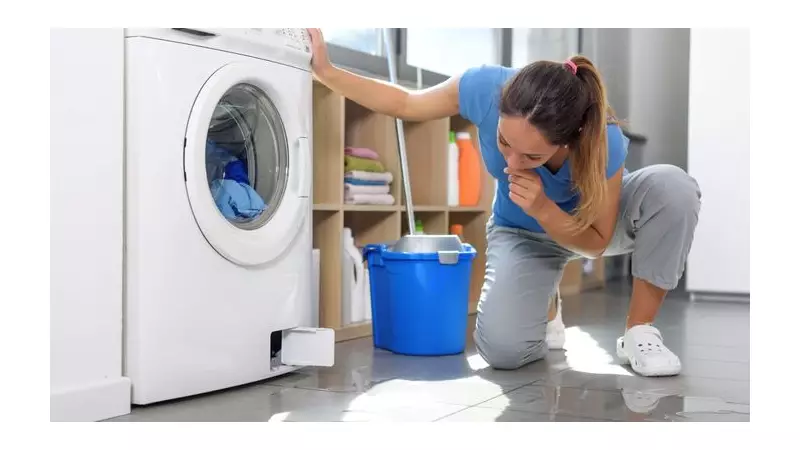
That sudden banging or persistent grinding from your laundry room is more than just a nuisance; it's your washing machine sending a distress signal. Ignoring these unusual sounds can lead to severe damage and a hefty repair bill, warn appliance experts.
Why You Should Never Ignore Strange Appliance Sounds
Washing machines are designed to operate with a steady, familiar hum. When they start producing sharp whistles, loud rattles, metallic clicks, or grating noises, it's a clear sign something is amiss. Acting quickly on these early warnings can protect your appliance from more serious, costly internal damage. A minor issue left unchecked often worsens with every spin cycle, potentially leading to a complete breakdown and the need for a full replacement.
Step-by-Step Guide to Diagnosing the Noise
Before you call out a professional, there are several simple checks any UK homeowner can perform. Start with the easiest and most common causes first.

Search for Loose Objects: Begin by thoroughly inspecting the drum. Use a torch to look for coins, keys, or hairpins that may have escaped from pockets. These items can cause a loud rattling or banging sound against the drum during a cycle.
Examine the Door Seal: The rubber seal around the door is a classic trap for small items. Wipe it clean and feel carefully along its folds for any lodged objects that could be causing a noise during the spin.
Clean the Filter: A clogged filter full of lint and debris can create strange gurgling sounds and restrict drainage. Clearing it not only solves noise issues but also improves safety and reduces overheating risks.
Check the Machine's Level: An unbalanced washing machine will rock violently and bang against walls or cabinets. Use a spirit level to check the appliance's feet and adjust them until the machine sits perfectly even on your floor.
When the Problem is Internal: Bearings, Belts, and Pumps
If the simple checks don't silence the noise, the cause is likely internal. These issues are more serious but can often be repaired.
Drum Bearings: A low, rumbling sound during spin, especially if the machine is balanced and empty, often points to worn drum bearings. This typically requires a professional repair.
Drive Belt: A stretched or perished drive belt can produce a high-pitched squealing or a slapping sound. Replacing the belt may resolve persistent noise issues.
Water Pump: A failing water pump often announces itself with a harsh grinding or grating noise. If cleaning and adjustments don't help, pump replacement is usually the final solution.
In summary, treat any new or unusual sound from your washing machine as a call for help. Start by investigating simple, user-serviceable causes like trapped items, a dirty filter, or an unlevel stance. If the noises continue, it's time to consider internal component failure. Prompt attention can save you money and extend the life of your essential household appliance.