A migrant who was a key player in Britain's largest ever benefit fraud is once again claiming Universal Credit after being released from prison early.
The £54 Million DWP Scam
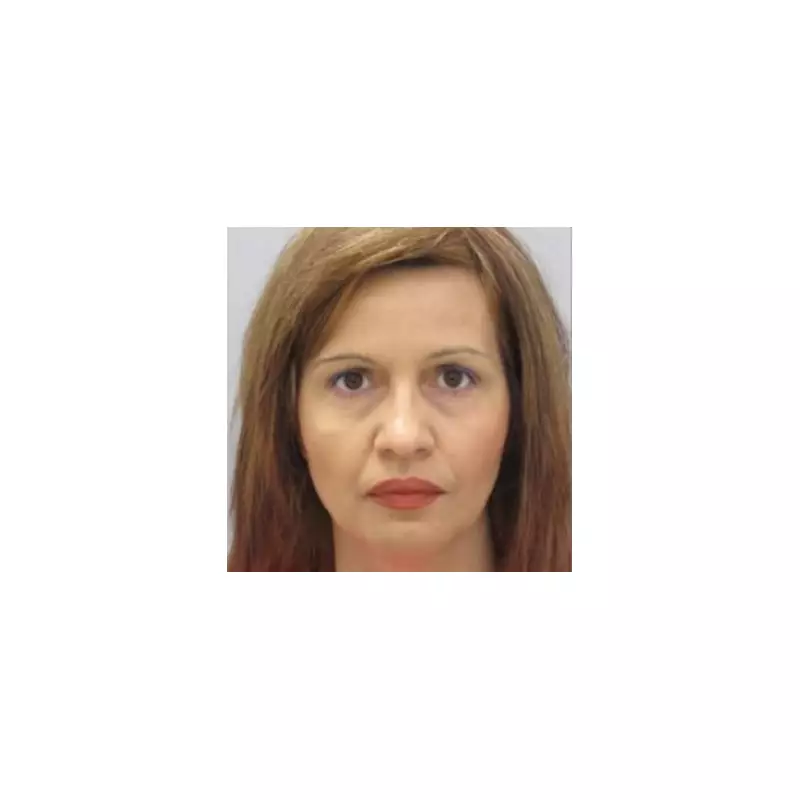
Bulgarian national Tsvetka Todorova was part of an organised gang that defrauded the Department for Work and Pensions (DWP) of a staggering £54 million. The criminal network made more than 6,000 bogus benefit claims to siphon off the enormous sum, which was then used to fund their extravagant lifestyles.
The group, which included Galina Nikolova (40), Stoyan Stoyanov (29), and Patritsia Paneva (28), were eventually brought to justice. After admitting to fraud and money laundering offences, they received combined prison sentences totalling 25 years.

Early Release and Return to Benefits
All members of the gang have now been released from custody and are awaiting deportation proceedings. Todorova has reportedly returned to her home in London.
Despite her conviction, it has emerged that Todorova is again receiving state support. She confirmed to the Mail Online that she has been back on benefits since 30 December, stating her account was reopened. She is said to be receiving approximately £1,300 per month from the Labour Party government's Universal Credit system.
In a controversial statement, Todorova reportedly described her time in prison as a "vacation" and cited depression and high blood pressure linked to her case.
Fighting Deportation and Limited Repayment
Todorova has issued a defiant warning that she will resist any government attempt to deport her back to Bulgaria. She declared, "I do not want to leave Britain. My family is here. I love it here, it is good and has helped me."
The financial recovery from the crime has been minimal compared to the scale of the theft. The gang was ordered to repay just £2 million of the £54 million stolen—roughly one per cent of the total haul.
Following the revelation of Todorova's release and renewed benefit claims, the DWP was compelled to comment. A Department for Work and Pensions spokesman said: "We take all fraud seriously. Last year we saved an estimated £25bn through our prevention and detection activities. In this case, action is ongoing to recover further money."
The case raises significant questions about the monitoring of convicted fraudsters post-release and the effectiveness of measures to reclaim vast sums of stolen public money.