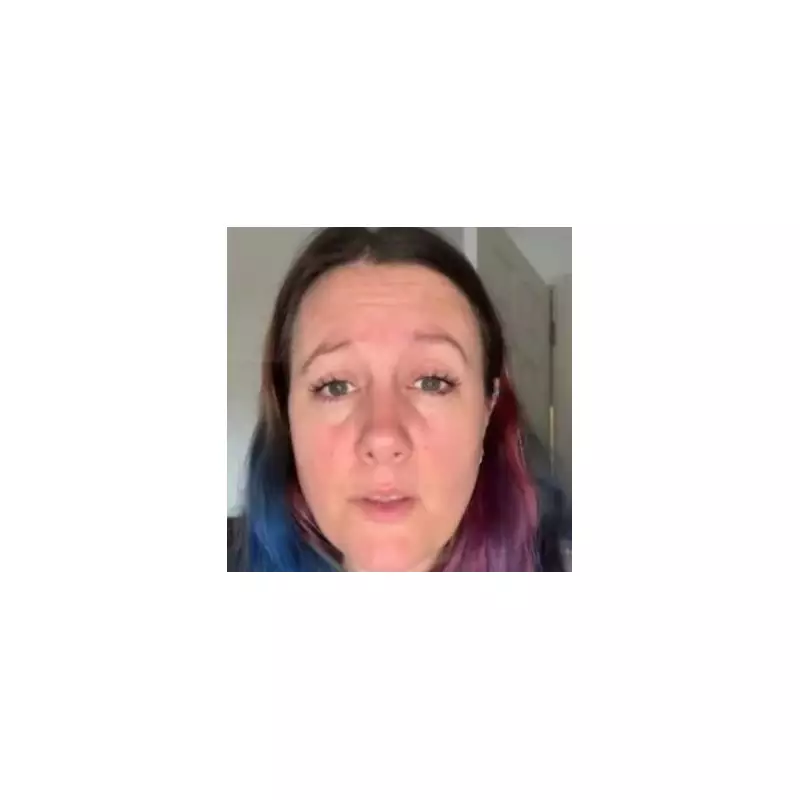
A so-called 'benefits influencer' who assists thousands of people, many with conditions like ADHD and anxiety, to claim support from the Department for Work and Pensions (DWP) has launched a fierce critique of the Labour government's recent benefit cuts.
Helping Thousands Navigate the System
Madeleine Alexander-Grout has built a significant online presence, offering money advice to tens of thousands of followers on platforms like TikTok. She forms part of a growing community of individuals who guide others through the often complex process of applying for disability benefits.
Speaking out earlier this year, Alexander-Grout labelled the government's reductions to welfare support as 'utterly disgusting'. She expressed deep regret over her own vote, stating, 'As somebody who voted Labour, now I wish I could retract my vote.'

She argued that the people who genuinely need the financial aid are the ones who will be most severely impacted. 'Disabled people shouldn’t have to jump through hoops to get it,' she asserted, accusing both the DWP and the Labour Party of 'pulling the rug out from people who rely on it.'
Defending Self-Diagnosis and Genuine Need
Alexander-Grout passionately defended the validity of self-diagnosis in the context of claiming support. 'If they are self-diagnosing, it’s still genuinely valid,' she contended. 'Why would you think you have a disability if you don’t? We are not languishing – we are trying to survive.'
She revealed that she herself receives a benefit to maintain her employment, using it to pay for essential services that enable her to contribute to society and provide for her family. Despite her criticism of the cuts, she expressed a nuanced view on the application process, agreeing that 'there should be a bit more testing' to verify conditions.
However, she was quick to point out the inherent difficulty of the claims process. 'It’s not easy to apply for. You can’t just make up symptoms,' she said, adding with force, 'I genuinely feel if somebody was making the effort to make all of that up, they should be in prison.'
A Wider Cultural Battle
The sentiment is echoed by others in the neurodivergent community. Amanda Perry, an ADHD business mentor, suggested that disability and neurodivergence have become a 'new pawn in culture wars'.
She warned that this heightened attention and debate makes life 'incredibly difficult for people to navigate their way through life when they’re already not on a level playing field.' This highlights a broader concern that essential support systems are becoming entangled in political disputes, ultimately harming those they are designed to help.